Adjusted My Mattress Every Night for 90 Days: Here’s How I Finally Stopped Waking Up Stiff
You know that stiff, groggy feeling when you wake up, like your body fought a battle while you slept? I felt that daily—until I tried smart mattress adjustments. No hype, no complicated tech jargon. Just a simple change that quietly transformed my sleep. Over 90 nights, I learned how small, automatic shifts in firmness and support could align my spine, ease pressure points, and help me wake up actually rested. This isn’t about gadgets—it’s about feeling better in your own body, starting with sleep.
The Morning That Changed Everything
I used to dread waking up. Not because of bad dreams or early alarms, but because my body always felt like it had been working all night. My lower back ached with a familiar dull throb. My hips felt compressed, like I’d been sleeping on a concrete slab wrapped in cotton. I’d stretch, roll out of bed slowly, and reach for that little jar of muscle balm I kept on the nightstand—every single morning. It wasn’t dramatic, but it was constant. And after a while, that constant discomfort started to shape my days. I’d move more slowly. I’d skip walks with the dog. I’d say no to gardening, which used to be one of my favorite ways to unwind.
Then came the morning I couldn’t ignore it anymore. I woke up after what should have been eight solid hours, but I felt like I’d only dozed off five minutes ago. My shoulders were tight, my neck stiff, and I could feel a knot forming between my shoulder blades. I sat on the edge of the bed, hands on my knees, and just sighed. That’s when I asked myself a question I’d never considered before: What if my mattress isn’t the problem—but its inability to adapt is? I wasn’t looking for a miracle. I didn’t want a bed that played music or massaged me. I just wanted to wake up without feeling like I needed a physical therapist before breakfast.
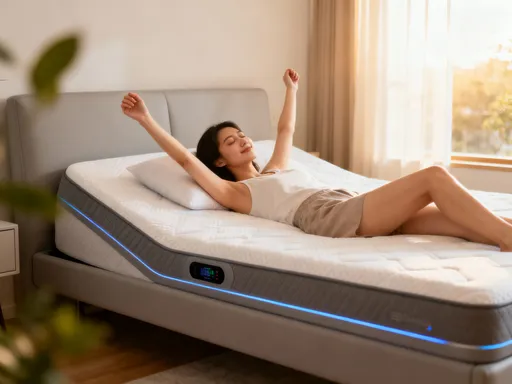
That question led me to try a smart mattress with automatic adjustment. I won’t lie—the first night felt a little strange. It wasn’t like sleeping on clouds or anything out of a movie. But there was a subtle difference. The support felt more even, especially under my hips. I didn’t toss and turn as much. And by the third night? That’s when it happened. I woke up and realized I hadn’t reached for the balm. No instinctive rub of the lower back. No wincing when I stood. I just… got up. And that small moment felt huge. This wasn’t luck. It wasn’t a fluke. It was design finally meeting real life.
How a Mattress Learns Your Body (Without Being Weird)
Let’s get one thing straight—this isn’t some sci-fi robot bed with arms that lift you into position. Nothing that dramatic. The magic is actually pretty quiet, and honestly, kind of brilliant in its simplicity. Inside the mattress are a series of air chambers—think of them like soft, flexible pockets filled with air. These chambers can inflate or deflate slightly throughout the night, adjusting the firmness and support in different zones: under your back, your hips, your shoulders. It’s not random. The system uses sensors to track your movement, your pressure points, and even your breathing patterns. Over time, it starts to recognize your habits—when you shift from back to side, when you tend to sink too deeply in one spot, when you need a little lift under your lower back.
After about a week of sleeping on it, something clicked. I started noticing that the mattress seemed to adjust before I even moved. I’d start to roll onto my side, and almost instantly, the shoulder zone would soften just enough to cradle me, while the hip support stayed firm. It was like the bed was one step ahead, anticipating my needs. At first, I thought I was imagining it. But then I checked the app—yes, it had logged the adjustment seconds before my body fully turned. That’s when it stopped feeling like technology and started feeling like care. Like having a mattress that finally got me—not in a creepy way, but in the way a good friend knows when you need a softer pillow or a gentler word.
And here’s the best part: it doesn’t require you to do anything. No buttons to press, no settings to tweak every night. It learns in the background, quietly. You don’t have to be tech-savvy. You don’t have to understand algorithms or data tracking. You just sleep. And over time, the bed gets better at supporting you—because it’s been paying attention. It’s like having a personal sleep coach, but one that never talks, never judges, and works while you’re unconscious.
Real Life, Real Nights: The First Two Weeks
The first few days were… well, let’s call it an adjustment period. I’ll admit, I was hyper-aware of everything. Was it too firm? Was it too soft? Was I imagining the changes? I kept checking the app, reading the little insights it offered: “You shifted positions 12 times last night,” or “Your left shoulder experienced higher pressure.” It was fascinating, but also a little overwhelming. I didn’t want to become obsessed with data. I just wanted to feel better.
Then the app started offering gentle suggestions—nothing pushy, just friendly nudges. “Try softer under hips tonight,” it would say. Or, “Side sleepers often need extra shoulder support.” I started following them like tips from a sleep-savvy friend. One night, I selected the “Side Sleeper Plus” mode before bed. I didn’t expect much. But when I woke up, my shoulders felt completely different—no tightness, no numbness in my arm. It was like someone had finally given my body the space it needed.
By day ten, something shifted. I stopped checking the app altogether. Not because I lost interest, but because I didn’t need to. My body just felt aligned. I wasn’t waking up with that familiar ache in my lower back. I wasn’t tossing and turning at 2 a.m., trying to find a comfortable position. And my partner noticed, too. “You’re not moving around as much,” he said one morning. “And the bed’s not making those little hissing sounds anymore—like it’s not struggling to keep up.” That made me laugh, but it was true. The adjustments had become so smooth, so seamless, that even the sounds of the air chambers were barely noticeable.
This wasn’t about perfection. Some nights were still restless. But the difference was in the consistency. Instead of waking up stiff almost every morning, it became the exception, not the rule. And that small shift changed everything.
Waking Up Different: The Unexpected Benefits
Of course, the biggest change was how I felt when I woke up. But what surprised me most were the ripple effects throughout my day. I started noticing that by 10 a.m., I didn’t feel that usual mid-morning slump. My energy stayed more even. I wasn’t reaching for a second cup of coffee by 3 p.m. just to stay awake. And I stopped having those moments where I’d realize, halfway through folding laundry, that my shoulders were tense and my jaw was clenched—like my body was holding onto stress I didn’t even know I had.
My morning stretches, which used to feel like a necessary chore, became something I actually enjoyed. I could touch my toes without wincing. I could twist deeper into a gentle yoga pose. It wasn’t that I was suddenly more flexible—it was that my body wasn’t starting the day already tight and sore. And that made a huge difference in how I moved through the world. I took longer walks. I played with my grandkids without worrying about back pain. I even signed up for a beginner’s water aerobics class at the community center—something I’d been putting off for years because I wasn’t sure my body could handle it.
But maybe the most unexpected change was in my mood. I felt calmer. More patient. Less reactive. I realized how much of my irritability had been tied to poor sleep and constant low-level pain. When your body feels good, your mind follows. I wasn’t just sleeping better—I was living better. And that, more than anything, made me feel like this wasn’t just a mattress upgrade. It was a life upgrade.
Making It Work for Any Bedroom (No Tech Expertise Needed)
I’ll be honest—I was nervous about the setup. I’m not the kind of person who enjoys reading instruction manuals or troubleshooting Wi-Fi connections. But setting up the smart mattress was surprisingly simple. It arrived in a big box, I unrolled it on my bed frame (no need for special tools), plugged in the control unit, connected it to my home Wi-Fi, and downloaded the app. That was it. Total time: about 20 minutes. And the app walked me through each step with clear, simple instructions—no jargon, no confusing menus.
My mom, who lives two states away, did the same thing for her guest room. She called me the next day and said, “I did it all by myself, and it felt foolproof.” That meant a lot, because she’s not exactly tech-forward. If she could do it, I knew most people could. The controls are straightforward: one button on the side of the bed lets you adjust firmness with a tap—softer or firmer, in real time. There are pre-set modes in the app: “Guest” for when someone else sleeps over, “Travel Recovery” for when you’ve been on a long flight, “Couples Mode” that adjusts each side independently. But you don’t have to use the app at all if you don’t want to. The automatic learning mode works fine on its own.
And here’s something I didn’t expect: the updates happen overnight, like your phone. I didn’t have to do anything. One morning, I opened the app and saw a little note: “Your mattress has been optimized for deeper sleep based on your recent patterns.” No effort on my part. Just better support, delivered quietly while I slept. There are no wires hanging out, no loud noises, no complicated routines. It fits into real life—because it was designed for real people, not tech enthusiasts.
What Changed Beyond Sleep
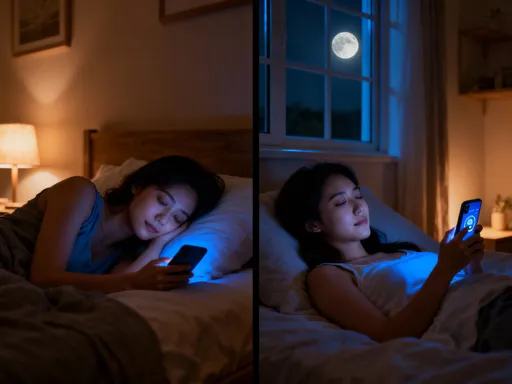
One of the most beautiful shifts was in my relationship with bedtime. For years, I treated sleep like a chore. I’d lie down because I “should,” scroll through my phone to wind down, and then toss and turn for ages, waiting for sleep to come. But now? I started looking forward to bedtime. Not because of the tech, but because I knew what was waiting for me—a bed that would support me, cradle me, and help me wake up feeling restored.
I started building a gentler routine. I’d read a book—actual paper pages, no screen. I’d play soft music from a little speaker on my nightstand. I’d dim the lights earlier. And I’d get into bed knowing that, no matter how tired or sore I felt when I climbed in, the mattress would do its quiet work. That sense of being cared for—it’s hard to describe, but it’s real. It’s like having a silent promise every night: You don’t have to figure it out. You just have to rest.
And that changed how I saw myself. I wasn’t just someone managing aches and pains. I was someone who deserved comfort. Who deserved to wake up feeling good. That small shift in mindset—valuing my own rest and recovery—had a deeper impact than I expected. I started making other small changes: drinking more water, taking short walks after dinner, being more mindful about how I carried my bags or stood while cooking. It wasn’t about fixing everything at once. It was about creating a life where I felt supported—starting with the eight hours I spend in bed.
Why This Isn’t Just a Gimmick—And Who It’s Really For
I’ll be straight with you: this isn’t a magic cure-all. It won’t fix serious medical conditions, and it’s not a substitute for seeing a doctor if you have chronic pain. But for the millions of people who wake up stiff, who shift positions all night, who dread camping or hotel stays because they know they won’t sleep well—it’s a game-changer. It’s not about luxury. It’s not about showing off the latest gadget. It’s about function. About giving your body the support it needs, every single night, without you having to think about it.
It’s for parents who carry the weight of caregiving—literally and emotionally. For remote workers who sit at desks all day and feel it in their backs by evening. For travelers who lose sleep in unfamiliar beds. For anyone whose body carries the wear and tear of daily life. Adaptive support isn’t a treat. It’s a quiet upgrade to how you live. And after 90 days? I don’t just sleep better. I feel better—fully, deeply, effortlessly. I move with more ease. I laugh more. I have more patience with the people I love. And I’ve learned that sometimes, the most powerful technology isn’t the flashiest. It’s the kind that works so quietly, you forget it’s there—until you realize how much better life feels because of it.