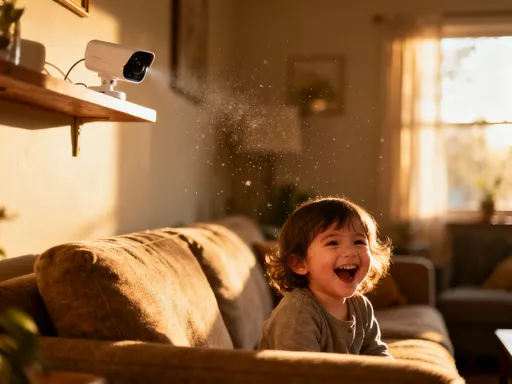
More Than Security: How Motion Sensors Helped Me Connect During My Daily Commute
You know that uneasy feeling when you're halfway through your commute and suddenly wonder—is everything okay at home? I used to carry that weight every day. Then I discovered something unexpected: motion detection devices didn’t just ease my worries, they opened up quiet moments of connection—with neighbors, with strangers, even with myself. What started as a simple safety upgrade became a surprising bridge to new friendships and a calmer, more present life. It wasn’t about high-tech alerts or fancy dashboards. It was about feeling grounded, even when I was miles away. And honestly, it changed how I move through my days.
The Commute Conundrum: When Distance Fuels Anxiety
Let’s be real—commuting isn’t just about getting from point A to point B. It’s about what you leave behind and what you carry with you. For years, my morning drive was clouded by a low hum of worry. Did I lock the back door? Is the dog pacing by the window again? Did my teenager actually get on the bus, or is she still in her room, half-asleep under a pile of blankets? These weren’t dramatic fears, but they were constant. They settled in my chest like a stone I didn’t know I was carrying.
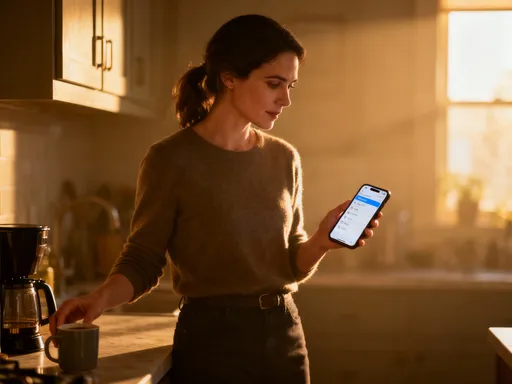
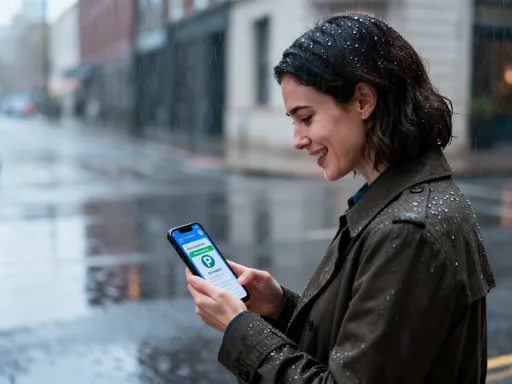
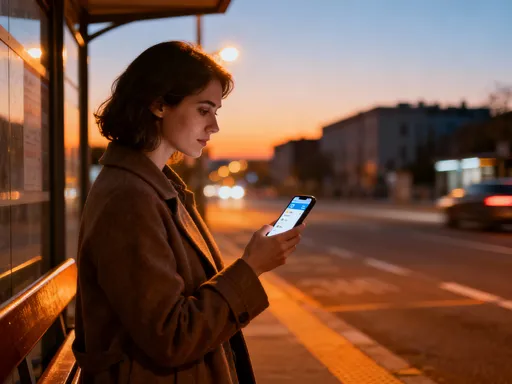
I tried everything—mental checklists, calling a neighbor, even leaving voice notes for myself. But nothing quieted that inner voice. Then one rainy Tuesday, as I sat in traffic, my phone buzzed. A soft chime, not urgent, just a gentle notification: Front porch motion detected. I glanced at it and smiled. It was just the delivery guy dropping off a package. But in that moment, I didn’t feel anxious. I felt… informed. I knew what was happening at home, even though I was miles away. That small alert didn’t just tell me about movement—it gave me permission to relax.
What surprised me most was how quickly that shift happened. The constant mental load of wondering “what if?” began to lift. I wasn’t obsessing over whether the house was secure because I could see, in real time, when someone was there. And that peace of mind didn’t just improve my commute—it changed my mood, my focus, even my conversations with my kids when I got home. I wasn’t drained from carrying worry all day. I was present. And that, more than anything, made me realize this wasn’t just about security. It was about emotional well-being.
From Alarm to Awareness: Rethinking Motion Detection
We’ve all seen those ads—motion sensors as silent guardians, catching intruders in the dark, sounding alarms that send shivers down your spine. But that’s not how most of us live. For the average person, true danger is rare. What we really need isn’t a fortress—it’s awareness. And that’s where modern motion detection shines.
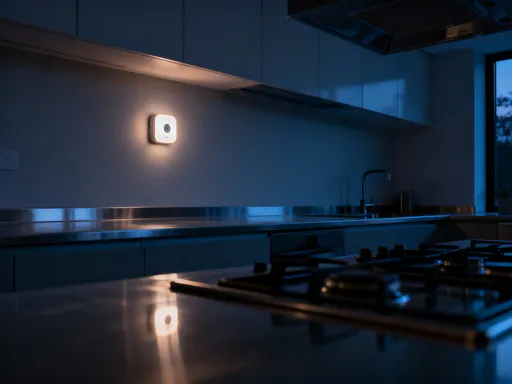
Think of it like this: your home has a rhythm. The dog walks into the living room at 7:03 a.m. The kids come home from school at 3:15. The mail arrives around 10:45. A motion sensor doesn’t just detect movement—it maps that rhythm. It sends a quiet signal to your phone when something happens, so you don’t have to imagine it. No more guessing. No more calling the babysitter to ask, “Did she eat lunch?” Now I get a simple alert: Kitchen motion at 12:02 p.m.—and I know she’s up, moving, probably making a sandwich. It’s not dramatic. It’s just… reassuring.
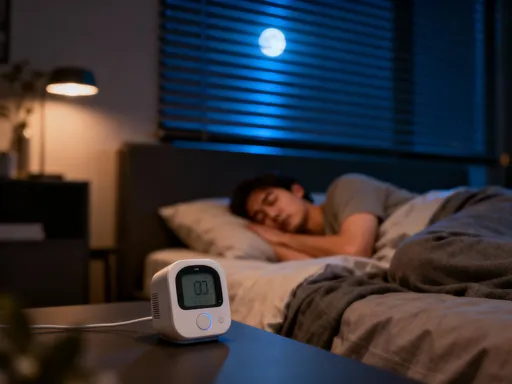
And the best part? You don’t need to be a tech expert to use it. Most systems today are designed for real life. You plug in a small device, connect it to your Wi-Fi, and download an app. That’s it. You can choose which areas to monitor—like the front door, the backyard, or even just the hallway near the kids’ rooms. You decide how you want to be notified: a sound, a pop-up, or just a log in the app. Some even let you watch a short video clip, so you can see if it’s your teenager walking in or a raccoon trying to get into the trash.
But here’s what no one talks about enough: this technology isn’t just about safety. It’s about presence. It lets you stay connected to your home, even when you’re not there. And that connection? It does something subtle but powerful—it helps you breathe. You’re not waiting for disaster. You’re simply aware. And in a world that moves so fast, that kind of calm is priceless.
The First Unexpected Connection: A Wave Across the Street
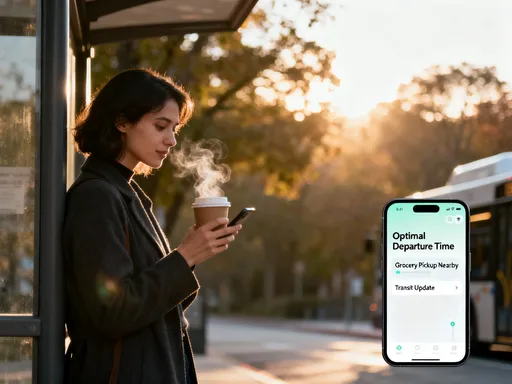
I’ll never forget that morning. I was sipping coffee in the car, stuck behind a slow-moving truck, when my phone lit up: Front porch motion detected. I tapped the alert, and there it was—a 10-second video of the mail carrier placing a package by the door. Routine stuff. But something made me pull over at the next block, turn the car around, and go back.
I wanted to thank her.
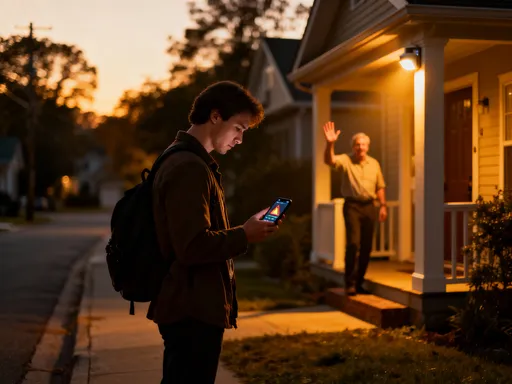
When I stepped out, she was already walking away. I called out, “Thank you!” She turned, surprised, then smiled. “Oh! You saw the alert, huh?” I nodded. We chatted for just a minute—about the weather, the package, how she always tries to tuck things out of sight. As she walked off, I noticed my neighbor across the street watching from her driveway. She waved. I waved back. And then—something shifted.
The next day, I saw her again. “Morning,” I said, stepping out after another porch alert. “Looks like we’re both on high alert today,” she joked. We laughed. It was light, easy. But it was also real. Over the next few weeks, those little moments added up. A nod. A comment about the rain. A shared eye-roll when the delivery driver left a box in plain sight again. We weren’t best friends, but we were no longer strangers.
And it all started because I could see what was happening at home. That motion alert didn’t just protect my house—it pulled me into my neighborhood. It gave me a reason to step outside, to engage, to be seen. I wasn’t just monitoring my space. I was rejoining it. And in a world where so many of us feel disconnected, even from the people right next door, that small shift meant everything.
Shared Rhythms: Finding Common Ground with Fellow Commuters
It’s funny how patterns emerge when you start paying attention. After a few weeks of checking my motion alerts during my commute, I began to notice things—not just at my house, but around the building. The woman on the third floor always left at 7:48 a.m., briefcase in hand, earbuds in. The college student downstairs got home around 5:20, usually with a friend or a bag of takeout. And every Tuesday at 4:30, the same delivery van pulled up with packages for half the block.
One afternoon, I was checking my phone in the lobby—another alert, this time from the garage—when I noticed someone else glancing at their screen at the same time. We locked eyes. “Motion sensor life, huh?” I said, half-joking. She laughed. “Yes! I can’t even relax unless I know the dog hasn’t knocked over the plant again.” We started talking. Her name was Lisa. She worked downtown, same as me. She had two kids, a golden retriever, and a habit of checking her home app every time she changed trains.
We started seeing each other regularly—not just in the lobby, but on the platform, in the parking garage. Our conversations grew longer. We swapped tips—how to silence nighttime alerts, where to place sensors so they don’t go off from pets, how to set “away” and “home” modes so the system knows when you’re actually gone. But it wasn’t just about tech. It was about shared rhythms. We both left early, worried about home, and returned tired but relieved to be back. We both wanted to feel in control, even when life felt chaotic.
Before long, we were texting about more than motion alerts. We shared school pickup schedules, recommended babysitters, even met up for coffee once. None of it would have happened if we hadn’t both been standing there, phones in hand, looking for the same small reassurance. Technology didn’t replace human connection—it made space for it. It gave us a common language, a starting point, a reason to say, “Hey, I see you. I’m here too.”
Safety as a Social Signal: Building Trust Through Small Gestures
There’s something quietly powerful about knowing your neighbor is paying attention. One evening, I was adjusting the angle of my front porch sensor when I saw Mr. Thompson from next door doing the same with his. He waved. I waved back. “Trying to catch every angle, huh?” he called out. “Got to keep the raccoons honest,” I joked.
But as we talked, I realized something deeper was happening. Our motion lights, our visible cameras, our little sensors by the door—they weren’t just protecting our homes. They were sending a message to each other: I’m here. I’m watching. I care. It wasn’t about suspicion. It was about shared responsibility. When you install a motion light, you’re not just lighting your path—you’re making the whole street safer. When you check your app during your commute, you’re not just protecting your stuff—you’re part of a network of people who look out for one another.
In our neighborhood, we’ve started to recognize those signals. The flicker of a motion light at dusk. The soft chime of a doorbell camera. We don’t always speak, but we acknowledge. A nod. A wave. A “good morning” as we both step out after a morning alert. These tiny moments build trust. They say, “We’re in this together.” And that sense of belonging—it’s not something you can buy. But it can grow from something as simple as a sensor on your door.
I’ve even started checking in on Mrs. Rivera, the elderly woman down the hall, when I notice her motion sensors haven’t gone off by 9 a.m. I don’t knock—she values her privacy—but I’ll send a quick text: “Saw your porch light was on—just wanted to say hi!” She always replies with a smiley face. It’s a small gesture, but it means something. We’re not just neighbors with tech. We’re neighbors who care.
Making It Work for You: Simple Steps to Turn Alerts into Opportunities
If you’re curious about trying this for yourself, I’ll share what worked for me. First, start small. You don’t need to cover every room. Pick one or two key areas—like the front door, the garage, or the kitchen. That’s where most of the action happens anyway. Install the sensor, connect it to your phone, and spend a few days just observing. Notice when alerts come in. What do they tell you? When does your dog walk into the room? When do the kids get home?
Next, customize your alerts. You don’t want to be flooded with notifications every time the cat jumps on the counter. Most apps let you set “active hours”—so you only get alerts during your commute or when you’re away. You can also create zones, so motion near the window triggers an alert, but movement in the corner by the pet bed doesn’t. It takes a little tweaking, but once it’s set, it runs quietly in the background.
Now, here’s the part no one tells you: use those alerts as prompts for connection. When you get a notification, don’t just glance and scroll away. Let it be a reminder to reach out. See a porch alert? Step outside and thank the delivery person. Get a kitchen motion during lunch? Text your teen: “Saw you’re up—hope you’re eating something good!” Notice your neighbor’s light just turned on? Wave. Say hello. Let that little chime be the start of something warmer.
And during your commute, try this: when an alert comes in, take one deep breath before checking your phone. Let it ground you. That moment of awareness isn’t just about your home—it’s about you. It’s a chance to pause, to reconnect, to remember what matters. I started doing this, and it changed my drives. Instead of rushing, I arrived calmer, more centered. The tech didn’t control me. It helped me stay present.
Beyond the Home: How Small Tech Can Expand Your World
When I first bought a motion sensor, I thought I was buying peace of mind. I didn’t realize I was buying connection. I didn’t know that a tiny device on my front porch would lead to morning waves, shared laughs in the lobby, and a sense of belonging I hadn’t felt in years. I thought I was investing in security. I ended up investing in community.
What’s beautiful is how quietly it happened. There was no grand plan. No forced interactions. Just small moments, strung together by a shared rhythm, a common need, a simple alert. And over time, those moments added up to something bigger—a network of care, a web of quiet acknowledgments, a feeling that I’m not alone.
For women like us—juggling work, family, homes, commutes—this kind of support matters. We don’t need more tasks. We need more ease. More calm. More moments that remind us we’re seen. And sometimes, that reminder comes from the most unexpected places. Like a chime on your phone. Like a wave across the street. Like the quiet knowledge that someone else is also looking out.
So if you’re feeling that familiar tug during your commute—the worry, the distance, the mental load—know this: you don’t have to carry it alone. A small piece of technology might not solve everything. But it can open a door. Not just to your home, but to a life that feels more connected, more grounded, more yours. And sometimes, that’s exactly what we need to keep moving forward—with a little more confidence, a little more calm, and a lot more heart.