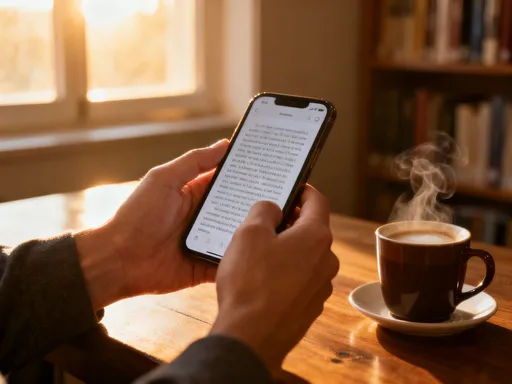
From Overwhelmed to Empowered: How Price Comparison Tools Gave Me Back My Time and Peace of Mind
You know that sinking feeling—staring at a screen, price-checking the same blender for the third night in a row, wondering if you’re really getting the best deal? I’ve been there. It’s exhausting. But what if you could cut through the noise, save money and energy, without the stress? That changed for me when I stopped shopping blindly and started using price comparison platforms the right way. Let me show you how they quietly transformed my everyday life. It wasn’t a dramatic shift—no flashing lights or sudden riches. Just a gentle, steady return of my time, my focus, and my peace of mind. And honestly? That’s worth more than any discount.
The Hidden Cost of “Just One More Click”
Remember the days when shopping meant a quick trip to the mall or a call to the local appliance store? Now, it feels like we’re all part-time researchers, digging through websites, reading reviews, and opening tabs like we’re preparing for a final exam. I used to think I was being responsible—comparing prices, hunting for coupons, checking delivery times. But over time, I realized I wasn’t saving money. I was losing something far more precious: my mental energy.
It hit me one rainy Tuesday. My kids needed new backpacks, notebooks, and lunchboxes before school started. Simple, right? But instead of spending an hour online, I spent three. And then another two the next night. I was clicking through five different retailers, cross-referencing prices, trying to stack promo codes, and second-guessing every choice. I bought a pack of pencils from one site, then found the same set 20% cheaper elsewhere. I felt defeated. And I hadn’t even bought the backpacks yet.
That’s when I realized the real cost of online shopping wasn’t in dollars—it was in decision fatigue. Every tiny choice—color, size, brand, return policy—added up. Psychologists call it “cognitive load,” and it’s real. When we’re overwhelmed with options, our brains get tired. We make worse decisions, feel more anxious, and carry that stress into other parts of our day. I was so drained by the time I finished shopping that I snapped at my daughter for leaving her shoes in the hallway. That wasn’t her fault. It was mine—because I’d let a simple task turn into an emotional marathon.
We don’t talk enough about how much mental labor goes into managing a household. From planning meals to scheduling doctor visits, we’re constantly juggling. Adding endless shopping research on top of that? It’s like asking someone to run a race with weights tied to their ankles. I wasn’t bad at budgeting. I wasn’t careless with money. I was just using tools that weren’t designed for the speed and complexity of modern life. And I wasn’t alone. So many women I know—moms, wives, caregivers—feel the same pressure. We want to be smart, responsible, and thoughtful with our spending. But we also want to enjoy our lives. Something had to change.
Meeting the Real Problem: It’s Not About Prices—It’s About Clarity
At first, I thought the solution was to get better at shopping. Maybe I needed to wake up earlier, set alerts, or follow more deal blogs. But the truth was, the problem wasn’t me—it was the system. There are too many stores, too many sales, too many ways to pay. One site offers free shipping but charges more upfront. Another has a lower price but adds hidden fees at checkout. Flash sales pop up at midnight. Loyalty programs promise rewards but require endless tracking. How are we supposed to keep up?
I used to shop at the same grocery and home goods store for years. I liked the layout, the staff, the consistency. But last winter, I needed a new space heater. I bought one on autopilot, happy to check it off the list. A week later, my sister mentioned she’d seen the same model for nearly 30% less on a different site. I was stunned. I’d trusted familiarity over facts. And I’d paid the price—literally.
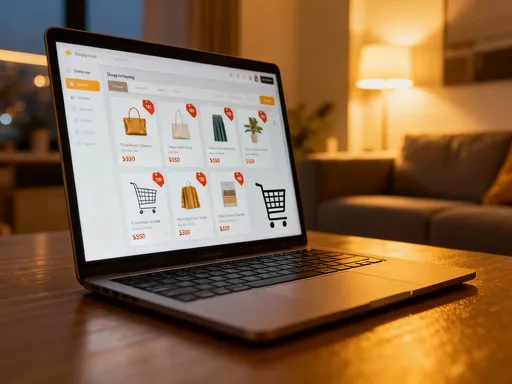
That moment changed how I saw shopping. It wasn’t about being loyal or fast. It was about being clear. The real problem wasn’t finding low prices—it was cutting through the confusion to see them clearly. And that’s where price comparison tools came in. They didn’t just show me cheaper options; they gave me confidence. When I could see five stores side by side—price, shipping, return policy, customer ratings—I didn’t have to guess anymore. I could decide quickly, calmly, and with peace of mind.
This wasn’t about being cheap. It was about being intentional. I wasn’t trying to spend the least amount of money possible. I wanted to spend my money in a way that matched my values—quality, convenience, fairness. But without clarity, even the best intentions get lost. These tools didn’t make me a better shopper overnight. They made me a calmer one. And that calmness? It started to ripple into other parts of my life. I stopped feeling guilty about purchases. I stopped second-guessing myself. I started trusting my choices again.
How These Tools Actually Work—No Tech Degree Needed
I’ll admit, I was skeptical at first. The word “technology” can feel intimidating, especially when you’re already juggling a dozen things. I imagined complicated dashboards, confusing settings, or having to learn a whole new language. But the truth is, using a price comparison tool is simpler than checking the weather on your phone.
Think of it like this: you have a super-organized friend who loves shopping but hates seeing you stressed. You tell them what you need—say, a new coffee maker—and they instantly check ten stores, compare prices, factor in shipping, and come back with the best option. That’s exactly what these platforms do. You type in what you’re looking for, and within seconds, you get a clear list of where to buy it, for how much, and with what trade-offs.
Here’s how I used it recently. My old vacuum was making a loud grinding noise, and I knew it was time to replace it. I didn’t want to spend hours researching models, so I opened a browser extension I trust—it’s one I’ve used for over a year. I typed in “cordless vacuum cleaner,” and instantly, I saw options from major retailers like Target, Best Buy, and Amazon. The tool even showed me whether the price included tax and shipping. One model I liked was $20 cheaper at a store I hadn’t considered, with free two-day delivery. I clicked through, read a few recent reviews, and bought it—done in under three minutes.
What’s even better? Some tools track prices over time. I set up an alert for a winter coat I’d been eyeing. A month later, I got an email: “Price dropped by 15%.” I bought it at the lowest point, saving $45 without lifting a finger. The technology works quietly in the background. I don’t have to remember sale dates or refresh pages. It’s like having a personal shopping assistant who never sleeps.
And the best part? You don’t need to download anything fancy or pay a monthly fee. Many of these tools are free browser extensions or websites you can use on your phone or tablet. You don’t need to understand how they work—just like you don’t need to know how your GPS finds the fastest route. You just need to know it works. And once you see the results, you’ll wonder how you ever shopped without it.
Saving More Than Money—How It Frees Up Mental Space
The first time I used a price comparison tool and made a decision in under five minutes, I felt a little guilty. Was I rushing? Was I missing something? But then I noticed something unexpected: I felt lighter. Like I’d put down a backpack full of rocks. That small moment of ease started to add up.
I stopped dreading online shopping. I stopped opening five tabs and feeling overwhelmed. And slowly, I noticed I had more mental space for other things. I could focus on helping my son with his science project without mentally calculating whether we could afford the supplies. I could enjoy a cup of tea after dinner instead of scrolling through deals. I wasn’t just saving money—I was saving energy.
There’s real science behind this. Studies have shown that reducing the number of small decisions we make every day can improve our mood, reduce stress, and even boost our willpower. It’s called “decision fatigue,” and it’s why so many successful people wear the same outfit every day or eat the same breakfast. They’re preserving their mental strength for what matters.
For me, that shift was life-changing. I started to show up differently—as a mom, a partner, a friend. I was more patient. More present. My husband even noticed. “You seem… calmer,” he said one evening. “Like you’re not carrying the weight of the world.” I smiled. I hadn’t realized how much tension I’d been holding until it started to melt away.
And it wasn’t because we were suddenly rich. Our budget was the same. But the constant low-level anxiety about spending—the “Did I pay too much?” “Could I have done better?”—was gone. I wasn’t perfect. I still made mistakes. But I stopped beating myself up over them. I had given myself permission to make smart, calm choices without the emotional toll. And that freedom? It was worth more than any discount.
Teaching My Teen to Shop Smarter—A Gift That Keeps Giving
When my daughter turned 18 and started looking for her first apartment, I knew it was time to pass on what I’d learned. I didn’t want her to repeat my mistakes—spending hours online, feeling overwhelmed, or worse, giving up and overpaying out of frustration.
So one weekend, we sat down together with her laptop. I showed her how to use a price comparison tool I trusted. We started small—looking for a desk lamp. I walked her through typing in the item, comparing prices, checking shipping times, and reading recent reviews. She was surprised at how fast it was. “I thought I had to check each site one by one,” she said. “This is like magic.”
Then came the real test: her bed frame. She wanted something sturdy, modern, and within her budget. We found a few options she liked, but the prices varied wildly—some were marked as “on sale” but still more expensive than regular prices elsewhere. Using the tool, we discovered a retailer offering the same style for nearly $200 less, with positive reviews and free delivery. She was thrilled. “I can use that extra money for curtains or a rug,” she said, already thinking ahead.
But the real win wasn’t the savings. It was the confidence she gained. For the first time, she felt in control of her spending. She wasn’t guessing. She wasn’t relying on ads or social media trends. She had data, clarity, and a method. That night, she texted me: “Thanks for teaching me this. I feel like I’m actually adulting.”
That moment meant more to me than any financial win. I realized I wasn’t just teaching her a shopping hack—I was giving her a life skill. In a world full of noise and pressure, she now has a way to make calm, confident decisions. And that’s a gift that will keep giving, long after I’m not there to help her choose a vacuum cleaner.
Avoiding the Traps—Not All Tools Are Equal
Not every price comparison tool is created equal. Early on, I clicked on what looked like a great deal, only to be redirected to a sketchy website with no reviews and a strange URL. I closed the tab fast. Another time, I used a platform that showed outdated prices—by the time I clicked through, the item was sold out or marked up. I felt frustrated and foolish.
That’s when I learned to be picky. Just like I wouldn’t trust every health tip I read online, I don’t trust every shopping tool. Now, I stick to well-known platforms with good reputations. I look for ones that show the date of the price check, so I know it’s current. I pay attention to user reviews—not just the stars, but what people are actually saying. And I only use browser extensions from trusted sources, like ones recommended by consumer watchdog groups or major tech publications.
I also test a tool before I rely on it. I’ll search for something I already know the price of—like a popular coffee maker or phone case—and see if the tool matches it. If it’s off, I move on. If it’s accurate, I give it a try with a small purchase. It’s like building trust with a new friend. You don’t hand over your wallet on the first date.
And I remind myself: these tools are helpers, not magic wands. They can’t guarantee you’ll always get the lowest price, and they don’t replace common sense. I still read the fine print, check return policies, and make sure the seller is reputable. But they give me a strong starting point—a clear view of my options—so I can make informed choices without the overwhelm.
The Bigger Picture: Small Tech, Big Peace
Using price comparison tools didn’t make me rich. I didn’t suddenly have thousands in the bank. But it gave me something better: ease. It took the friction out of everyday decisions. It returned my time, my focus, and my calm.
And over time, that small shift changed how I move through the world. I’m less reactive. Less anxious. More intentional. I have more energy for the things that truly matter—reading with my kids, calling an old friend, taking a walk without my phone. I’m not chasing every penny. I’m protecting my peace.
That’s the real power of technology—not flashy gadgets or complex apps, but simple tools that quietly support our lives. They don’t replace wisdom or care. They amplify them. They let us be the thoughtful, capable women we already are—without burning out in the process.
If you’re feeling overwhelmed by the endless cycle of online shopping, I want you to know: there’s another way. You don’t have to be perfect. You don’t have to spend hours researching. You just need one small tool to help you see clearly. Start with one purchase. Try one platform. See how it feels to make a decision without the weight.
Because you deserve to feel confident, calm, and in control. Not just with your money—but with your life. And sometimes, the smallest tech can give you the biggest peace.