From Lost in Lists to Fully in Control: How Online Shopping Platforms Finally Work for You
We’ve all been there—staring at a screen, wondering which item we added last week, whether the deal is still valid, or if we’ve already bought something similar. Online shopping saves time, but without organization, it can create chaos. I used to juggle tabs, forget cart items, and miss price drops—until I discovered how to use built-in tools to track progress smartly. This isn’t about buying more; it’s about managing your shopping journey with clarity and calm. What if the same platforms we use every day could actually help us feel more in control, not less? The good news is—they already can. You just need to know where to look and how to set them up your way.
The Hidden Chaos Behind the Click: When Online Shopping Starts Stressing You Out
Let’s be honest—online shopping was supposed to make life easier. And for the most part, it does. With just a few taps, you can order groceries, replace a broken kitchen gadget, or surprise your sister with a birthday gift without ever leaving the couch. But over time, that convenience can quietly turn into clutter. Not physical clutter, necessarily, but mental clutter. How many of us have bought the same thing twice because we forgot we already added it to our cart? Or missed a flash sale because we didn’t get the alert in time? I once ordered two identical bathrobe sets—same color, same size—because one was in my wishlist on my phone, and the other was sitting in my desktop cart. I didn’t realize until the second package arrived.
These little mistakes might seem harmless, but they add up. Not just in cost, but in emotional energy. Every time you lose track of a deal, forget a saved item, or buy something you already own, it chips away at that sense of control. You start to feel like you’re chasing your own shopping tail. And for someone managing a household, keeping up with school supplies, seasonal needs, and family preferences, this kind of disorganization can feel overwhelming. The irony is that the very tools meant to simplify our lives can end up making us feel more scattered—if we’re not using them intentionally.
The real issue isn’t the platforms themselves. It’s how we interact with them. Most of us treat online shopping like a series of one-off events: search, click, buy, forget. But what if we treated it more like a journey? One with milestones, reminders, and progress markers? That shift in mindset—from reactive clicking to intentional tracking—can make all the difference. And the best part? The tools to do this are already built into the sites we use every day. We just need to activate them.
Meet Your Shopping Dashboard: Turning Platforms into Personal Assistants
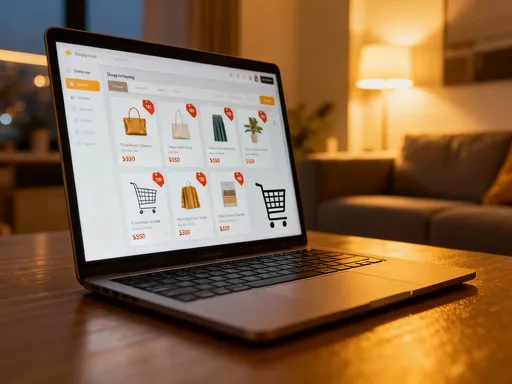
Think of your favorite online shopping platform not just as a store, but as a personal assistant waiting to be trained. It already knows what you’ve bought, what you’ve looked at, and sometimes even what you’re likely to need next. But most of us never take the time to organize that information in a way that truly serves us. What if you could turn your account into a central hub for everything you and your family need—updated in real time, accessible from any device, and actually helping you stay ahead of the curve?
I started doing this during back-to-school season a few years ago. Instead of scrambling the week before classes started, I created a shared list called “School Essentials” on the platform we use most. I added everything—from notebooks and lunchboxes to new sneakers and art supplies. Then I shared the list with my partner so we could both add items or mark things as purchased. We even let our older daughter add a few things she wanted, so she felt involved without us losing oversight. That single list became our family’s shopping dashboard. No more duplicate purchases. No more last-minute panic trips to the store.
And it wasn’t just for school. I realized I could do the same for other recurring needs—holiday gifts, seasonal clothing swaps, even pantry staples. By using saved lists with clear names like “Mom’s Birthday 2024” or “Winter Coat Check,” I turned a chaotic process into something predictable and calm. The platform wasn’t just selling me things anymore; it was helping me manage my household. The key was treating these tools like part of my routine, not an afterthought. Just like you’d check your calendar or to-do list, I now start my week with a quick scan of my shopping lists and order history. It takes five minutes, and it saves me hours of stress later.
Track Price Movements Like a Pro—Without Third-Party Tools
Here’s something I wish I’d known years ago: you don’t need a separate app or browser extension to track price drops. Most major shopping platforms now offer built-in price tracking—and it’s completely free. I used to rely on third-party tools that sent me alerts, but half the time they were inaccurate or stopped working. Then I discovered that the site I was already using had a “Price Drop Alert” feature buried in the product page. All I had to do was click a little bell icon, and I’d get an email if the price changed.
I tested it with a pair of noise-canceling headphones I’d been eyeing for months. They were always just a little out of my budget—until one Tuesday morning, I got an email saying the price had dropped 30%. I clicked through, bought them instantly, and saved nearly $80. No extra apps, no complicated setup. Just a simple toggle I’d overlooked for years. Since then, I’ve turned on price alerts for everything from kitchen appliances to winter boots. It’s like having a personal shopper who only taps me when it’s truly worth buying.
The best part? These alerts are reliable because they come straight from the source. No guesswork, no delays. And you can manage them all in one place—your account’s notification settings. I recommend doing a quick audit every few months to unsubscribe from alerts you no longer need. There’s no shame in changing your mind about a product! The goal isn’t to buy everything on sale—it’s to make informed decisions without constantly checking prices yourself. That’s the kind of smart automation that actually improves your life, not adds to the noise.
Build Your Own Progress Timeline: From Want to Own
One of the most powerful shifts I’ve made is treating my wishlist like a progress tracker. Instead of just dumping items I like into a generic list, I now organize them with purpose. I use tags like “gift for Mom,” “self-care upgrade,” or “when the budget allows” to give each item context. This small change has made a huge difference in how I approach spending. When I’m tempted to buy something on impulse, I ask myself: Does this fit into my current goals? Is it urgent, or just shiny?
I also use my cart like a mini-calendar. For example, I know my nephew’s birthday is in July, so I added a few potential gifts to a folder labeled “July Gifts” back in April. That way, I’m not scrambling in the final weeks. I can watch prices, read reviews, and make a thoughtful choice without pressure. Some people might think, “Why not just buy it when I see it?” But for me, that’s how regret purchases happen. When you slow down and create space between wanting and buying, you make better decisions.
This timeline approach also helps with seasonal planning. Last year, I started a list called “Holiday Prep” in September. I added gift ideas, wrapping supplies, and even a few festive decorations. By the time December arrived, I’d already bought half the items—often during off-peak sales. I avoided the holiday rush, saved money, and actually enjoyed the season instead of stressing over last-minute orders. Your wishlist isn’t just a collection of things you like; it’s a map of your intentions. When you organize it with care, it becomes a tool for intentionality, not just consumption.
Sync Across Life Roles: Managing Home, Family, and Self in One Place
As women, we often wear so many hats—parent, partner, caregiver, professional, friend, and yes, shopper. It’s no wonder we sometimes feel stretched thin. But what if your shopping account could help you balance those roles instead of adding to the load? That’s exactly what happened when I started using categories and shared access to reflect my different responsibilities.
I created separate lists for “Kids’ Needs,” “Home Upgrades,” “Partner’s Gifts,” and “Me Time.” Each one serves a different part of my life, but they all live in the same place. When I’m in “mom mode,” I check the kids’ list. When I’m thinking about home improvements, I pull up the “Home Upgrades” folder. And when I need a little pick-me-up, I allow myself to browse the “Me Time” list—guilt-free. This structure helps me stay balanced. I’m not always buying for others, and I’m not ignoring my own needs either.
I also use shared access wisely. I’ve given my partner view-and-purchase rights on a few lists, so he can help with family needs without stepping on my organizational system. We both get email summaries when something is bought, so there’s no confusion. It’s not about giving up control—it’s about teamwork. And for single parents or those managing households alone, these tools can still be powerful. You don’t need to share access to benefit from clear categorization. Just knowing where everything is—and why it’s there—brings a sense of calm that’s hard to overstate.
Avoid the Trap of Mindless Upgrades: Smarter Decisions Through Visibility
Let’s talk about the black mug. I have four of them. Not because I love black mugs that much—but because I kept buying them without realizing I already had one. Sound familiar? We’ve all fallen into the “I’ll just replace it” or “I forgot I had this” cycle. But here’s the truth: visibility is the antidote to impulse buying. When you can easily see what you’ve already purchased, you’re far less likely to buy duplicates.
Now, before every new purchase, I do a quick search in my order history. I type in “mug,” “blender,” “yoga mat”—whatever category I’m shopping in—and scan the results. More than once, this has stopped me mid-click. “Oh, right. I bought that last year.” It’s a small habit, but it’s saved me hundreds of dollars and so much clutter. And it’s not just about avoiding duplicates. Reviewing past purchases helps me notice patterns. Do I buy kitchen gadgets every January and never use them? Do I always splurge on skincare during stressful times? These insights help me shop with more self-awareness.
Plus, there’s a quiet joy in realizing you already have what you need. In a world that constantly tells us to buy more, there’s power in saying, “I’m good.” And when you do decide to buy something new, it feels more intentional. You’re not filling a gap created by forgetfulness—you’re making a thoughtful upgrade. That kind of mindfulness isn’t just good for your budget; it’s good for your soul. It helps you align your spending with your values, not just your fleeting moods.
Your Shopping, Your Rhythm: Designing a System That Grows With You
The most important thing I’ve learned is this: there’s no one-size-fits-all system. What works for me might need tweaking for you—and that’s okay. The goal isn’t perfection. It’s progress. It’s about creating a rhythm that fits your life, not fighting against it. I used to think I had to choose between being organized and being flexible. But now I see that a good system actually gives me more freedom. Because when the small things are managed, I have more mental space for the big things—like being present with my family, pursuing a hobby, or just enjoying a quiet cup of tea.
I recommend doing a monthly “shopping health” check-in. Just 10 minutes. Review your lists, delete items you no longer want, update tags, and turn off expired alerts. It’s like digital spring cleaning—but faster. You’ll be amazed at how much clearer your shopping experience becomes. And don’t be afraid to experiment. Try a new labeling system. Test out shared access. See what makes you feel more in control. Your system should evolve as your life does. Maybe next year you’ll be planning a move, or helping an aging parent, or launching a side project. Your shopping tools can adapt right along with you.
At the end of the day, this isn’t about technology. It’s about peace of mind. It’s about walking through your days knowing you’ve got the basics covered, that you’re making thoughtful choices, and that you’re not wasting time or money on avoidable mistakes. When you use online shopping platforms the way they’re meant to be used—as organized, personalized tools—you’re not just buying things. You’re building a life that feels calmer, clearer, and more intentional. And honestly? That’s the best purchase you can make.