Tired of Forgetting Life’s Small Joys? How Spending Records Quietly Celebrate You
Life is made of moments—some big, some so small they slip through our fingers. You’ve probably felt it: the warmth of a coffee bought on a tough morning, the silly toy you grabbed just to make someone smile. These aren’t just purchases. They’re quiet milestones. I used to scroll past them in my bank app, until I realized: my spending wasn’t just tracking money. It was holding memories I didn’t even know I’d want to keep. That latte wasn’t just caffeine—it was the fuel for a hard day. That book wasn’t just paper and ink—it was the start of something new. And now, thanks to simple tech tools we already use every day, we can finally see those moments for what they really are: proof that we showed up, cared deeply, and grew.
The Moment You Realized a Receipt Held More Than a Price
Sometimes, it’s the smallest things that carry the most weight. I still remember the day I bought a simple spiral notebook from a corner store. At the time, it felt like nothing—a $3 purchase, no receipt saved, just one more item on a long list of everyday things. But months later, when I was cleaning out old emails, I found a notification from my bank: “Purchase at CityMart – $2.99.” And suddenly, I wasn’t just seeing a transaction. I was back in that moment. Rain tapping the windows, my hands shaking a little, sitting on a park bench, writing the first sentence of a dream I’d buried for years. That notebook wasn’t stationery. It was courage.
We’ve all had these moments—tiny decisions that quietly mark turning points. Maybe it was the yoga mat bought after weeks of saying “I’m too tired.” Or the train ticket to visit your sister when you really needed to talk but didn’t know how to say it. These aren’t just expenses. They’re emotional landmarks. And for years, I treated them like clutter—just noise in my monthly budget. But what if we stopped seeing our spending as something to feel guilty about and started seeing it as a record of who we’ve been? What if that coffee shop charge wasn’t just a latte, but the moment you decided to take a break? What if that online order wasn’t just shopping, but the day you finally said, “I deserve this”?
Here’s the truth: we don’t need a journal or a therapist to tell us we’re growing. Our bank statements already know. We just have to learn how to listen.
How Technology Turns Transactions into Personal Stories
The beauty is, we don’t have to do much to make this shift. The tools are already in our pockets. Most of us use banking apps or budgeting platforms every day—Mint, Chase, Capital One, Revolut, or even Apple Wallet. We open them to check balances or pay bills, but we rarely pause to see what else they can do. These apps don’t just track money. They can hold meaning. And with just one small habit—adding a note to a transaction—we can turn a dry list into a living story.
Think about it. When you buy groceries, your app shows “Whole Foods – $87.42.” But what if you tapped that line and added: “First time cooking dinner with my daughter after her surgery”? Suddenly, it’s not just food. It’s healing. Or that random $15 charge at a gas station? With a note—“Stopped to call Mom when I heard she was sick”—it becomes presence. Love. A moment you were there.
Some apps even let you tag transactions. You can create labels like “courage,” “kindness,” or “self-care.” One woman I know uses “light” for purchases that brought joy during a dark year—like a candle bought on a lonely Sunday, or a movie ticket when she forced herself to leave the house. Now, when she reviews her year, she doesn’t just see spending. She sees survival. Growth. Hope.
You don’t need to be tech-savvy. You don’t need to download anything new. Just open the app you already use, find one transaction that meant something, and type a sentence. That’s it. No pressure. No perfect format. Just you, remembering.
Seeing Yourself Grow, One Purchase at a Time
Change doesn’t always come with fanfare. Most of the time, it happens in silence—through small choices we don’t even notice. But when you start looking at your spending with intention, something amazing happens: you begin to see your own growth, reflected in your habits.
Take fitness, for example. You might not have joined a gym or posted progress photos, but your spending tells a different story. That water bottle you bought? The running shoes last spring? The yoga class you paid for online in January? When you line them up, they’re not isolated purchases. They’re a pattern. A quiet commitment. And when you see that pattern—maybe even graphed in your app—you realize: I didn’t fail. I’ve been trying. I’ve been moving forward.
Or think about learning. Maybe you’ve always wanted to speak another language, but life got busy. Then one day, you bought a beginner’s book. A few weeks later, a language app subscription. Then headphones for listening during your commute. Alone, each purchase seems small. But together, they tell a story of reinvention. And when you look back at that timeline, you don’t see wasted money. You see courage. You see someone who didn’t give up.
Even kindness shows up in your records. That donation to the animal shelter. The extra tip for the waitress on a rainy night. The birthday gift for your neighbor when no one else remembered. These aren’t just line items. They’re proof of who you are. And when you review them—not with guilt, but with attention—you start to feel something unexpected: pride. Not because you did something huge, but because you kept showing up, again and again, as your best self.
The Quiet Comfort of Knowing You Were There
Life moves fast. Kids grow up. Parents age. Friends drift. And sometimes, in the rush, we forget the moments we were truly present. But your spending record remembers.
I think about the time I bought a stuffed bear for my nephew when he was in the hospital. It wasn’t expensive. It wasn’t planned. But it mattered. And when I found that charge—“Toys R Us – $14.99”—months later, it wasn’t just a toy. It was love in action. It was me saying, “I see you. I’m here.”
Or the flowers I sent my mom “just because.” No holiday. No reason. Just a Tuesday when I remembered how much she’d done for me. The charge was small, but the feeling behind it wasn’t. And now, when I look at that entry, I don’t see $22.95. I see gratitude. I see connection.
These records become a kind of emotional safety net. Especially in hard times—when you’re grieving, or overwhelmed, or doubting yourself—going back through your transactions can remind you: you’ve been here before. You’ve cared. You’ve shown up. You’ve loved. And that matters more than any bank balance.
One woman told me she reviews her “kindness tags” every time she feels invisible. Another saves screenshots of small gifts she’s given, just to remember she’s capable of generosity. These aren’t financial strategies. They’re self-care. And they’re possible because the data we already have can become a mirror—one that reflects not our flaws, but our heart.
How to Start Without Overthinking It
You don’t need a perfect system. You don’t need to track every dollar or spend hours organizing. All you need is one small habit: pause. Just once a day, when you make a purchase that feels meaningful—big or small—take five seconds to add a note.
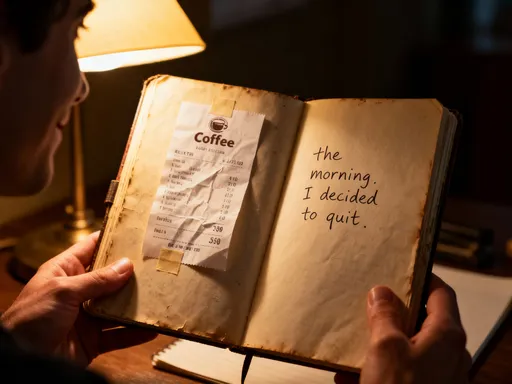
Maybe it’s your morning coffee. Instead of just seeing “Starbucks – $4.50,” add: “The day I decided to ask for a raise.” Or that online order: “Pajamas for feeling human again after the flu.” You don’t have to do this every time. Just when it feels right.
If your banking app doesn’t allow notes, use a simple note-taking app. Create a folder called “Moments” and drop in a line when something feels important. Or use a budgeting app like Mint or YNAB (You Need A Budget), which let you add memos to transactions. The tool doesn’t matter. The intention does.
And if you’re thinking, “I’m not good with tech,” let me tell you: this isn’t about tech. It’s about memory. It’s about giving yourself permission to see your life as more than chores and bills. You don’t need to be perfect. You don’t need to catch every moment. Just start with one. One purchase. One note. One memory.
Over time, you’ll find yourself looking forward to it. You’ll start noticing which purchases carry weight. You’ll begin to move through the world with more awareness, asking yourself: “Will I want to remember this?” And that simple question changes everything.
When the Data Feels Like a Friend
There’s a quiet magic that happens when you treat your spending as a story. At first, it feels like a task—another thing to manage. But after a few weeks, something shifts. You start smiling at old entries. You remember the weather that day. The song playing. The way you felt.
One woman told me she laughed out loud when she saw a charge labeled “Ice cream truck – $3.” She’d added the note: “First treat after my divorce.” It wasn’t just dessert. It was freedom.
Another woman found herself crying when she reviewed her “daughter’s first year” tags—diapers, tiny shoes, storybooks, a rocking chair. She hadn’t realized how much love was in those receipts until she saw them together.
That’s when it stops being data and starts being memory. When your app isn’t just a tool, but a companion. It doesn’t judge. It doesn’t rush. It just holds space for who you’ve been. And over time, you start to see themes—not in your spending, but in your life. Courage. Resilience. Love. Growth.
You begin to notice how often you choose kindness over convenience. How many times you invested in yourself, even when no one was watching. How many small decisions added up to a life that matters. And that changes how you feel about yourself—not because you spent less, but because you see more.
Reclaiming Your Life, One Moment at a Time
In the end, this isn’t about money. It’s about meaning. It’s about refusing to let the small, sacred moments of life disappear into the noise of daily transactions. We spend so much time managing budgets, chasing goals, trying to “do better”—but we forget to honor what we’ve already lived.
By adding notes to our purchases, we do more than track spending. We create a record of our humanity. We say: this moment mattered. I was here. I cared. I grew.
And in a world that moves too fast, that’s a radical act. It’s a way to slow down, to notice, to remember. It’s a way to look at your life not as a series of mistakes or missed chances, but as a story of showing up—again and again, in big ways and small.
You don’t need a perfect life to have a meaningful one. You just need to pay attention. To see that the coffee you bought on a hard day wasn’t just caffeine—it was self-compassion. That book wasn’t just entertainment—it was hope. That gift wasn’t just an expense—it was love.
And when you start seeing your spending that way, something beautiful happens: you stop feeling like you’re just getting by. You start feeling like you’re living. Really living. One quiet, unforgettable moment at a time.