I always forget to feed the meter — how a parking app finally cleared my mind and my fines
Ever stood in the rain, scrambling for loose change, only to find your car slapped with a ticket? I’ve been there—frustrated, late, and fed up. What if you could pay, extend, and forget—without touching a meter? One parking payment app changed how I move through the city. No more panic. No more fines. Just smooth, quiet control. This isn’t just about parking—it’s about peace. Let me show you how small tech shifts can quietly transform your days.
The Chaos of Old-School Parking
Remember that sinking feeling? You’re rushing back from errands, arms full of groceries, toddler on your hip, and there it is—a bright orange slip tucked under your windshield wiper. A parking ticket. Again. I used to carry a mental checklist every time I parked: Did I have enough quarters? Did I set a phone timer? Is the meter broken? Will I make it back in time? It wasn’t just about the money—though $75 stings when it’s for five extra minutes. It was the guilt, the frustration, the sense that I’d failed at something so simple.
And I know I’m not alone. Think about how many times a week you park—school drop-offs, grocery runs, doctor visits, coffee with a friend. Each time, you’re playing a little game of chance with the meter. Sometimes you win. Most of the time, you’re just hoping not to lose. I’ve seen moms sprinting across parking lots in heels, professionals cutting meetings short, students stressing before exams—all because of a machine that demands coins and gives nothing in return.
What’s worse is how it lingers. Even after you’ve paid the fine, the stress doesn’t fully go away. It becomes part of your rhythm—another thing to remember, another potential disaster waiting to happen. And for someone like me, who’s always juggling too much, it felt like yet another weight on my shoulders. I started to wonder: why is something so basic still so hard? Why can’t parking just… work?
Discovering the App That Changed Everything
The moment everything shifted was so small, I almost missed it. I was complaining to a friend over coffee—again—about a recent ticket. She looked at me, sipped her latte, and said, “You’ve never used an app to pay for parking?” I blinked. “Like… what, a real one?” She laughed and pulled out her phone. “It’s called a parking app. You download it, add your car, and pay with your phone. No cash. No running back. You can even add time from inside the store.”
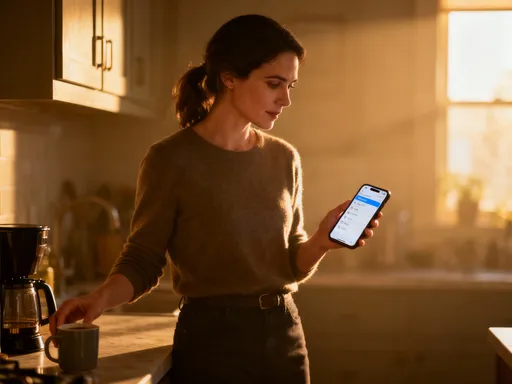
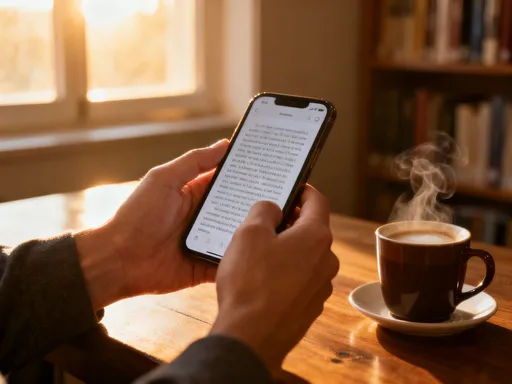
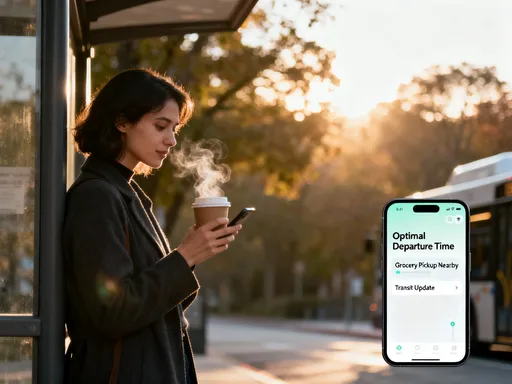
It sounded too good to be true. But that afternoon, I downloaded it. The setup took less than five minutes. I entered my license plate, added a payment method, and scanned the zone number at my local shopping center. With one tap, I started the timer. No coins. No fumbling. Just a quiet confirmation on my screen: “Parking started.” I walked into the store, hands free, mind lighter. And when I got a gentle notification that my time was about to end, I extended it with another tap—while picking out apples.
That first week, I kept checking my car, half-expecting a ticket. But nothing came. No fines. No panic. Just peace. It wasn’t magic—it was just technology finally catching up to real life. And once I experienced that freedom, I couldn’t go back. The app wasn’t just a tool. It became a quiet ally in my day, a small but steady source of relief.
How It Actually Works—Without the Tech Jargon
I know what you’re thinking: “Sounds great, but is it complicated?” I thought the same. I’m not a tech expert. I don’t code. I just want things to work. And the truth is, this app is simpler than most recipes. You open it—like checking your weather app. It uses your phone’s location to find nearby parking zones. You pick your spot, confirm your car, and tap “Start.” That’s it.
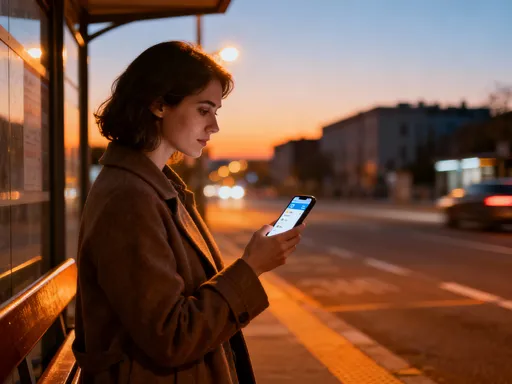
The app tracks your time automatically. No need to set alarms or remember where you parked. When you’re ready to leave, you just tap “End,” and it stops charging. But here’s the real game-changer: if you’re still parked and your time is about to run out, your phone gives you a soft alert. “You have 10 minutes left.” And with one tap, you can add more time—no matter where you are. In a meeting? Tap. At lunch with a friend? Tap. Helping your child with homework? Tap. It’s like having a tiny guardian angel for your parking spot.
Some cities even let you reserve spots in advance or see real-time availability. No more driving in circles, wasting gas and time. And if you’re worried about safety, the app doesn’t share your personal details—just your license plate and zone number. It’s secure, private, and designed for people who just want to get on with their day. No manuals. No tech support calls. Just tap, park, and forget.
More Than Just Payment—It’s About Mental Space
Here’s what no one tells you: the biggest benefit isn’t avoiding fines. It’s the space it creates in your mind. Every time you don’t have to worry about the meter, you’re freeing up a tiny piece of mental real estate. That’s energy you can use elsewhere—on your kids, your work, your own well-being. I didn’t realize how much brainpower I was wasting until it was gone.
Think about it. Before, I’d walk into a store and part of me was still outside, watching the clock. “Did I put enough time? Will I make it back?” Now, I walk in fully present. I can focus on picking the right ingredients for dinner, helping my daughter find a birthday gift, or just enjoying a quiet moment alone. That shift—from distracted to present—is priceless.
For parents, this is huge. We’re already stretched thin. We don’t need one more thing pulling our attention. For professionals, it means walking into meetings calm and collected, not flustered from a parking sprint. For caregivers, it means one less thing to manage when visiting a loved one. The app doesn’t just handle parking—it handles the anxiety around it. And that, more than anything, is what changes your day.
Real-Life Wins: Stories from Daily Use
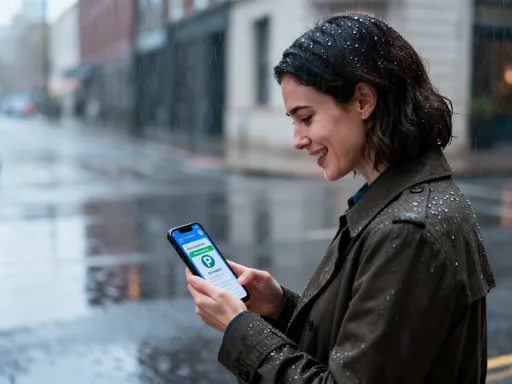
Let me tell you about a rainy Tuesday last month. I was at the mall, buying winter coats for the kids. The rain was coming down hard, and I’d parked farther away to find a spot. I’d paid for 45 minutes, but the lines were long, and I was running late. Just as I reached the checkout, my phone buzzed: “2 minutes left.” I smiled, tapped “Extend 30 minutes,” and stayed dry. No sprinting. No soaked clothes. No ticket. Just a warm coat and a warm feeling.
Then there was my mom’s doctor appointment. She’s 72 and doesn’t drive anymore. I take her every few weeks. Last time, the visit ran long—she needed more time to talk, and I didn’t want to rush her. In the past, I’d have been stressed, checking my watch, worrying about the meter. This time, I got a quiet alert and added time from the waiting room. We left when we were ready. No pressure. No guilt. Just care.
And just last week, I was helping my niece with a school project at the library. I’d planned to stay an hour, but we got into a great conversation and lost track of time. My phone gently reminded me, and with one tap, I bought us another 20 minutes. No disruption. No stress. Just connection. These moments aren’t flashy, but they add up. They’re the quiet victories that make life feel easier, kinder, more in control.
Building a Smarter Routine—One Tap at a Time
After a few weeks, using the app became second nature. I didn’t even think about it anymore. It just fit into my rhythm—like brushing my teeth or locking the door. But what surprised me was how it started to change my habits in other ways. I began checking parking options before I left the house. I started planning my trips more thoughtfully. I even began noticing which areas had better availability or longer limits.
Some apps now connect with your calendar. If you have a doctor’s appointment at 3 p.m., it can suggest parking near the clinic and even start your session automatically when you arrive. Others learn your patterns—like always parking at the gym on Tuesdays—and offer quick shortcuts. It’s not about becoming a tech guru. It’s about letting technology support your life, not complicate it.
And over time, I noticed something else: I was making better decisions. Because I wasn’t constantly reacting to parking stress, I could plan ahead. I started leaving earlier, choosing better spots, even carpooling more. The app didn’t just save me money—it helped me grow. Small, consistent wins like this build confidence. They remind you that you’re capable of making life a little smoother, one smart choice at a time.
Why This Small Change Matters More Than You Think
At the end of the day, this isn’t really about parking. It’s about how tiny tools can make modern life feel more human. We’re all carrying so much—responsibilities, emotions, schedules. The least we can do is remove the little frictions that don’t need to be there. When you stop wasting energy on quarters and timers, you have more room for what truly matters: your family, your health, your peace.
This app didn’t just change how I park. It changed how I move through the world. I’m calmer. I’m more present. I’m less reactive. And I’ve realized that progress doesn’t always come in big leaps. Sometimes, it comes in the form of a quiet notification, a single tap, a moment of relief.
If you’re still feeding meters, I get it. Change is hard. But I also know how good it feels to walk into a store without that little knot of worry in your chest. To leave when you’re ready, not when the clock forces you. To trust that your day won’t be ruined by a $75 slip of paper.
So if you take one thing from this, let it be this: small tech tools aren’t just for the young or the tech-savvy. They’re for anyone who wants to live with a little more ease, a little more grace. And sometimes, the smallest change can bring the biggest peace. Give it a try. Your future self—calmer, lighter, and fine-free—will thank you.