Tired of Losing Track of Your Daily Errands? This Life Hack Made Everything Click for Me
Tired of losing track of your daily errands? This life hack made everything click for me. Life gets busy—groceries, appointments, quick runs to the pharmacy. You start strong, but by afternoon, you’ve forgotten half the list. I used to juggle sticky notes, phone alarms, and memory tricks that never worked. Then I found a simple tech habit that changed everything. It didn’t just organize my tasks—it gave me back time, peace of mind, and space to focus on what really matters. Let me show you how one small shift in tracking your day can quietly transform your entire routine.
The Messy Reality of Daily Life
We’ve all been there—rushing out the door, keys in one hand, coffee in the other, only to realize five minutes later that you forgot to pack your partner’s lunch or confirm the vet appointment. I remember standing in the grocery aisle, phone in hand, scrolling through three different notes apps, trying to remember what my partner had asked me to pick up. Was it almond milk or oat? Did we need eggs? I stood there, frustrated, feeling like I was failing at something that should be simple. That moment wasn’t an exception—it was the rule. Between work deadlines, school pickups, laundry that never ends, and the endless mental load of remembering what needs doing, it’s no wonder we feel overwhelmed.
Our brains aren’t built to hold onto every tiny task. Yet so many of us still rely on mental notes, scribbled paper lists, or the hope that we’ll “just remember.” But the truth is, memory fades. Emotions run high. Distractions pile up. A child calls your name, the dog needs walking, a work email pings—suddenly, that one thing you meant to do before noon slips away. And it’s not because we’re disorganized or careless. It’s because we’re human. We’re trying to manage a full life with tools that weren’t designed for it. The real problem isn’t that we have too much to do—it’s that we don’t have a system that works with our lives, not against them.
I used to think I just needed to try harder. Maybe if I woke up earlier or drank more coffee, I could keep up. But pushing myself only led to burnout. The turning point came when I stopped blaming myself and started looking for a better way. I asked: what if the solution wasn’t more effort, but less? What if I could let go of the mental load without dropping the ball? That’s when I discovered the power of intentional tracking—not as a rigid productivity tool, but as a gentle support system that works quietly in the background, just like a good friend who remembers the things you don’t have the bandwidth for.
How Tracking Transforms Small Tasks into Big Wins
At first, I thought tracking was just about checking things off a list. But I quickly realized it’s so much more than that. It’s about creating visibility. When I started logging even the smallest actions—like refilling the prescription, returning a library book, or scheduling a dentist appointment—I began to *see* my progress. And that changed everything. Instead of feeling like I was constantly behind, I could look back and say, “I did that. And that. And that.” Each small mark built momentum. It wasn’t about perfection—it was about awareness.
That awareness reduced my anxiety in a way I didn’t expect. Before, I’d spend hours wondering, “Did I confirm the oil change?” or “Did I reply to that email?” Now, I don’t have to wonder. I can just check. That simple shift—from uncertainty to clarity—freed up so much mental space. I wasn’t just organizing tasks; I was rebuilding my confidence. I started trusting myself again. I knew I wouldn’t forget because the system had my back.
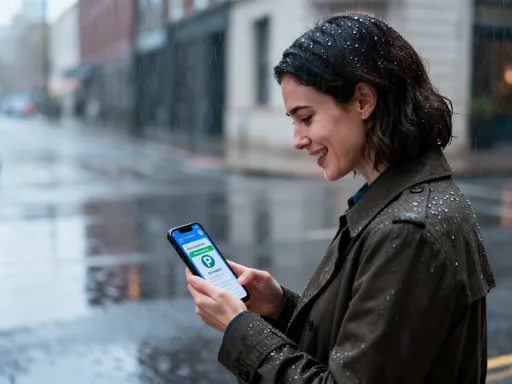
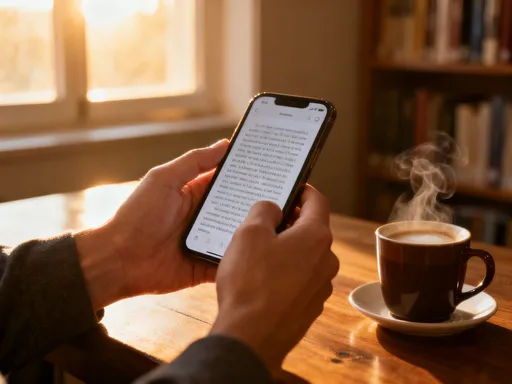
Technology made this possible without adding more work. With a simple app that synced across my phone and tablet, I could update tasks in seconds. A gentle reminder would pop up if I was near the pharmacy, or if it was time to leave for an appointment. No stress. No nagging. Just a soft nudge, like a quiet voice saying, “Hey, don’t forget.” Over time, this habit didn’t just change my routine—it changed how I felt about my day. I wasn’t chasing time anymore. I was moving with it. And the real win wasn’t the completed errand. It was the quiet pride I felt every time I marked something done. That small act became a daily reminder: I’m capable. I’m on top of things. I’ve got this.
Choosing the Right Tool Without Overcomplicating It
Now, I know what you might be thinking: “Another app? Really?” I felt the same way. I tried a few at first—some were too complex, with endless menus, color-coded labels, and reminders that felt more like demands than help. One even tried to turn my life into a corporate project plan. That wasn’t what I needed. I didn’t want a boss. I wanted a helper.
What finally worked was simplicity. I found an app that did just a few things, but did them well. It synced across all my devices, so I could add a task on my phone and see it on my tablet. It sent gentle reminders—not pushy alerts, but soft pings that felt like suggestions. I could mark something as done with one tap. No typing. No scrolling. Just a quick touch, and it was off my list. And the best part? I didn’t have to think about it. It worked quietly in the background, like a co-pilot who knows when to speak up and when to stay silent.
The truth is, the best technology doesn’t draw attention to itself. It doesn’t require training or tutorials. It fits into your life the way a favorite pair of jeans does—comfortable, reliable, and unnoticed until you realize how much better everything feels. I stopped worrying about which app was “best” and started asking: which one do I actually *use*? Because no matter how powerful a tool is, it only helps if you stick with it. And for me, that meant choosing something that didn’t feel like extra work. It wasn’t about features. It was about fit. Think of it like choosing a walking shoe. If it pinches your toe, you won’t wear it, no matter how stylish it is. The same goes for life-tracking tools. If it feels like a chore, you’ll drop it. But if it feels easy, natural, and helpful? That’s the one worth keeping.
Building a Habit That Sticks
Here’s the honest truth: starting is easy. Sticking with it? That’s the real challenge. I’ve started and stopped more habits than I can count—journaling, meditation, even drinking more water. So when I began tracking my tasks, I didn’t expect it to last. But this time was different. I made it small. I started with just two things a day: pick up the kids and take the trash out. That was it. Nothing fancy. Nothing overwhelming. And every time I marked one as done, I gave myself a mental high-five. “Good job,” I’d say. “You did it.”
Then I linked it to things I was already doing. While I waited for the coffee to brew in the morning, I’d glance at my list. While I stood at the microwave heating up leftovers, I’d tap “done” on a completed task. These tiny moments—what I call “micro-habits”—made all the difference. I wasn’t carving out extra time. I was using the time I already had. And because it felt effortless, it stuck.
There were days I forgot. Days when the list grew long and I felt behind. But instead of beating myself up, I learned to start fresh. No guilt. No drama. Just a new day, a clean slate. I reminded myself: progress isn’t about being perfect. It’s about showing up, again and again, with kindness. Over time, tracking became automatic—like brushing my teeth or locking the door at night. I didn’t have to remember to do it. It just became part of my rhythm. And that’s when I realized: the app didn’t change me. The practice did. It taught me consistency. It taught me patience. And most of all, it taught me that small steps, taken regularly, lead to real change.
Sharing Progress Without Pressure
One of the most unexpected benefits was how it improved my relationship with my partner. We’ve always been a team, but we used to end up repeating tasks or missing things because we assumed the other person had handled it. “Did you pay the water bill?” “I thought you did!” Sound familiar? That kind of miscommunication creates tension, even when no one means to cause it.
Now, we share a simple view of our tasks—nothing detailed, just a quick glance at what’s done and what’s pending. It’s not about control. It’s about awareness. When I see that he’s picked up the kids, I feel relief, not obligation. When he sees that I’ve ordered groceries, he knows dinner is on track. We don’t have to ask. We don’t have to remind. We just *know*. And that small shift has made a big difference in how we move through our days.
It’s not a surveillance system. It’s a support system. We’re not tracking each other—we’re supporting each other. Technology, used this way, doesn’t create distance. It builds connection. It replaces nagging with noticing. It turns “Did you do it?” into “I see you did. Thank you.” That quiet acknowledgment—seeing and being seen—has brought a new level of trust and ease into our home. And honestly? It’s made us both feel a little more appreciated, a little more understood. Because sometimes, the most powerful thing we can give each other isn’t a solution. It’s simply being on the same page.
Gaining More Than Time—Rediscovering Peace of Mind
If you’d asked me a year ago what I wanted most, I would’ve said “more time.” But now I realize what I really needed wasn’t more time—it was more mental space. The constant loop of “Did I do that? Should I do this? What did I forget?” was exhausting. It followed me into conversations, into quiet moments, even into sleep. That mental clutter wasn’t just annoying—it was draining.
What changed? Tracking anchored those floating thoughts. Instead of letting tasks swirl in my mind like leaves in the wind, I could place them where they belonged—on the list. And once they were there, I could let them go. I didn’t have to hold onto them. The system would remind me. That simple act—getting it out of my head and into a trusted place—freed up so much energy.
I started noticing things I hadn’t in years. The way my daughter laughs when she’s trying not to. The quiet joy of a warm cup of tea on a rainy afternoon. I could listen better. Be present. Breathe deeper. Because my mind wasn’t racing ahead to the next thing. That’s the real gift of tracking: peace of mind. It’s not about doing more. It’s about feeling lighter while doing what matters. It’s about replacing anxiety with clarity, and overwhelm with calm. And that? That’s worth more than any extra hour in the day.
A Smarter, Softer Way to Live
Looking back, I can see that the app was just the beginning. The real transformation came from how I began to treat myself—with more patience, more kindness, more attention to progress instead of perfection. Tracking taught me to celebrate small wins. To notice how far I’ve come, not just how far I have to go. It reminded me that I don’t have to do everything at once. I just have to take the next step.
Technology, at its best, doesn’t make us faster or busier. It helps us live with more intention. It gives us space to breathe, to connect, to be human without apology. By tracking my days, I didn’t become superwoman. I became more me—calmer, clearer, and more in control of my life. And that has made all the difference.
So if you’re feeling overwhelmed, if your mind feels full and your days feel scattered, I want to offer you this: try one small shift. Pick one tool. Start with two tasks. Be kind to yourself when you miss a day. And watch what happens when you stop trying to remember everything and start trusting a system that works for you. Because you don’t have to choose between being organized and being kind to yourself. You can have both. And when you do, life doesn’t just get easier. It gets better.