From Chaotic Mornings to Calm Journeys: How One App Transformed My Daily Commute
Ever stood at the bus stop, coffee in hand, realizing you forgot your shopping list—again? Or reached work stressed, late, and already behind? I used to start every day scrambling, juggling errands, traffic, and to-do lists like a circus act. Then I found a simple tool that didn’t just organize my commute—it reshaped how I plan my whole day. It’s not magic. It’s smart tech that finally works with real life. And it might be exactly what you need to feel more in control.
The Morning Chaos We All Know
Let’s be honest—how many of us truly begin the day feeling calm and ready? Most mornings, I was already behind before I even left the house. My kids needed lunches packed, I was searching for a missing shoe, and my phone buzzed with a reminder I’d set three days ago: “Buy dog food.” The grocery list was buried in a note I hadn’t opened since Tuesday. By the time I got to the bus stop, I’d spilled coffee on my blouse, missed the 7:48, and remembered I had a meeting at 9:00 that I hadn’t prepared for. Sound familiar?
It wasn’t just the lateness. It was the constant mental load—the invisible weight of remembering everything. Did I pay the water bill? Is the laundry done? Should I pick up milk on the way home? That mental clutter made it hard to focus, to breathe, to just be present. And the worst part? It wasn’t one big thing. It was a thousand tiny oversights piling up until I felt like I was running a race with no finish line. I started to believe this was just how life was—busy, messy, and out of sync.
But then I asked myself: What if it doesn’t have to be this way? What if the problem isn’t me? Maybe it’s that our tools don’t actually fit how we live. We’re using apps that do one job well—track a bus, manage a calendar, save a shopping list—but none of them talk to each other. So we become the glue, the translator, the overworked project manager of our own lives. No wonder we’re exhausted before 8 a.m.
Discovering the App That Changed Everything
I found the app by accident. I was searching for a better way to track my bus schedule after missing it for the third time in a week. I stumbled on a small app with a simple name—something like “DailyFlow”—and honestly, I didn’t expect much. I’d tried so many tools before: fancy planners, color-coded calendars, reminder apps that pinged me every hour. Most of them added more stress than relief.
But this one was different from the start. After I set up my basic routine—work hours, school drop-offs, usual commute route—it asked one question: “What matters most during your day?” Not what tasks I had, but what mattered. That felt unusual. I typed in things like “family time,” “eating well,” and “feeling calm.” And then, quietly, the app began to learn.
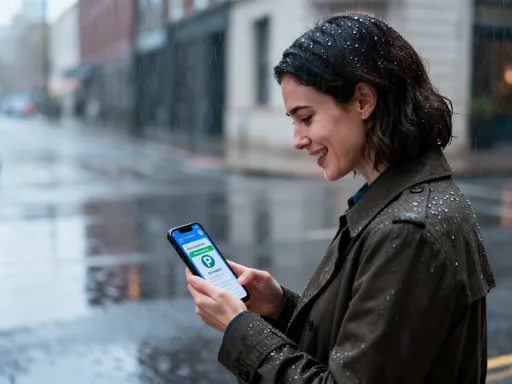
The first time it surprised me was on a rainy Thursday. I was about to leave work when I got a gentle alert: “Your grocery delivery is arriving at 5:15. Suggest leaving now to avoid heavy traffic.” I hadn’t even thought about the delivery—I’d forgotten I’d scheduled it. But the app remembered. It had checked my calendar, seen the delivery window, and compared it with real-time traffic data. And it didn’t just tell me to leave—it showed me the fastest route home and even suggested a 10-minute detour to pick up fresh bread from a bakery near my route. That day, I walked in the door dry, on time, and with warm bread for the kids. For the first time in years, I didn’t feel behind.
How It Works Without Taking Over
One of the things I love most about this app is how unobtrusive it is. It doesn’t bombard me with notifications. It doesn’t demand my attention every five minutes. Instead, it works like a quiet assistant who knows when to speak up and when to stay in the background. I’ve used other apps that felt like they were running my life—beeping, flashing, reminding me of things I’d already done. This one feels different. It feels like it’s on my side.
Here’s how it actually works: the app syncs with the tools I already use—my calendar, my favorite grocery delivery service, and public transit schedules. But it doesn’t just display them side by side. It connects them. So when I add “Meal prep Sunday” to my calendar, the app checks what ingredients I’ll need. If I haven’t ordered groceries yet, it nudges me the night before. And when I do place the order, it locks in the delivery window and adjusts my workday end time if needed.
Let’s say I have a yoga class at 7 p.m. The app knows that. It also knows that my usual bus gets me home at 6:20—plenty of time. But if there’s a delay, it checks live transit updates and texts me: “Bus delayed 12 minutes. Consider rescheduling or leaving work early?” It doesn’t decide for me. It gives me the information and lets me choose. That’s the kind of control I appreciate—support, not control.
And the best part? It learns. After a few weeks, it started noticing I often stop for coffee on Tuesdays and Thursdays. So now, if there’s a line at my usual café, it suggests an alternative nearby or reminds me to order ahead. It doesn’t make me feel watched. It makes me feel seen.
Real-Life Wins: More Time, Less Stress
I could list the features all day, but what really matters are the little victories—the moments that used to feel impossible. Like the morning I got an alert: “Your favorite market has a surprise sale on organic apples. Your bus passes within two blocks. Want to add to your route?” I’d been meaning to buy apples for the kids’ lunches, but I’d forgotten. The sale ended at noon. Thanks to that tiny nudge, I picked up six pounds for half price—and walked past without even thinking about it.
Or the day my train was canceled due to maintenance. I panicked at first—how would I get to my daughter’s school play on time? But within minutes, the app recalculated everything. It checked ride-share options, walking routes, and even nearby bus transfers. It sent me a step-by-step plan: “Take the 8:15 shuttle, walk two blocks, transfer to Bus 42. You’ll arrive at 9:07—just in time.” I followed it, stayed calm, and made it with three minutes to spare. My daughter waved from the stage, and I didn’t miss a second.
These aren’t huge changes, but they add up. I’m not sweating over missed connections. I’m not rushing into meetings flustered. I’m not forgetting birthday cards or library returns. And because I’m not constantly reacting, I can actually plan. I’ve started using my commute to listen to audiobooks. I’ve begun journaling during my morning coffee. I even have time to text my sister a proper good morning instead of a quick emoji.
The emotional shift has been just as big as the practical one. I don’t feel like I’m surviving my day. I feel like I’m living it. And that’s something no planner or sticky note ever gave me.
Smarter Shopping, Seamless Integration
Shopping used to be one of my biggest stress points. Not the act of buying, but the timing. Should I order online and wait for delivery? Or go myself and risk being late? And what if I forget something? I’d end up making two trips—one for the milk I forgot, another for the paper towels that ran out.
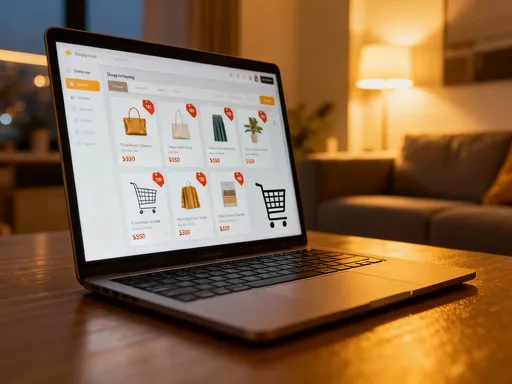
The app changed that by treating shopping like part of the journey, not a separate chore. When I add “toothpaste” to my list, it doesn’t just sit there. It checks my route. If I’m passing a drugstore during a commute, it says: “You’re near CVS in 8 minutes. Pick up toothpaste?” It even shows me the exact aisle. No more wandering the store stressed and late.
And when I do order online, the app becomes my timing coach. It compares delivery windows with my schedule. If a package is coming at 4:30 and I’m still at work, it suggests rescheduling for evening or asking a neighbor to accept it. Or, if I’m heading home early, it says: “Delivery arrives in 20 minutes. Want to adjust your route?”
One week, I planned a family dinner. I added “roast chicken, potatoes, herbs” to my list. The app checked my usual store, saw the items were in stock, and suggested delivery for 5 p.m.—right before I got home. But then, it noticed a delay in the delivery van. Instead of just telling me, it offered options: “Pick up in-store? Nearest location is 0.4 miles from your office. Leave now and beat the rain.” I did, and I had everything ready by 5:30. No panic. No last-minute drive. Just a warm kitchen and happy kids.
This isn’t just about saving time. It’s about saving mental energy. Every decision we avoid—where to shop, when to go, what to buy—frees up space in our brains for things that matter more: talking to our kids, enjoying a quiet moment, or just breathing deeply.
Building a Life That Moves With You
The longer I’ve used the app, the more I’ve realized it’s not just about getting from point A to point B. It’s about creating space—for peace, for growth, for joy. Because I’m not spending my mornings stressed, I’ve started doing things I never had time for. I read during my commute. I listen to podcasts about gardening—something I’ve always wanted to try. Last month, I planted my first herb garden on the balcony. It’s small, but it’s mine.
My friend Lisa started using the app too. She told me she now has time to walk her dog in the morning instead of rushing him out for a quick pee. She says she feels more connected to her neighborhood. Another friend, Maria, started cooking dinner four nights a week instead of relying on takeout. “I used to come home drained,” she said. “Now I have the mental room to plan a meal. It feels like I’m taking care of us again.”
That’s the deeper win—this app isn’t just organizing time. It’s helping us reclaim parts of ourselves we thought we’d lost. The version of us who had hobbies. Who felt in control. Who had energy left at the end of the day. It’s not about doing more. It’s about doing what matters—with less friction.
And that shift has rippled into other areas. I’m more patient with my kids. I’m more present with my partner. I even sleep better because I’m not lying awake thinking, “Did I turn off the oven?” (The app checks smart home devices too—another quiet win.)
Why This Isn’t Just Another App
In a world full of noisy apps that demand our attention, this one stands out by giving it back. It doesn’t want your data for ads. It doesn’t sell your habits. It doesn’t try to keep you scrolling. It’s designed to help you leave the phone behind and live better. That’s rare.
What makes it different is its focus on real life—not efficiency for efficiency’s sake, but for peace of mind. It understands that we’re not robots. We forget things. We change plans. We need flexibility. And it adapts. It’s not about perfection. It’s about support.
I’ve recommended it to half my mom group now. Not because it’s flashy, but because it works. One woman said, “I used to dread Mondays. Now I actually look forward to my commute.” Another told me she cried the first time she made it to her son’s soccer game without rushing. “I was there,” she said. “Actually there.”
That’s the gift this app offers—not just better logistics, but better presence. It gives you back the moments that matter. It helps you feel like you’re not just surviving, but thriving. And maybe, just maybe, it helps you remember who you were before life got so loud.
So if you’re tired of the morning scramble, if you’re ready to feel more in control, I’ll leave you with this: imagine a morning where you leave the house calm. Where you know what’s coming. Where you’re not forgetting anything. Where you arrive—not late, not flustered—but ready. That’s not a fantasy. It’s possible. And it might start with one simple change. Why not try it tomorrow?