What If Your Car Could Help You Become a Calmer, Smarter Driver?
Have you ever noticed how stress slips into your daily drive—rushed mornings, honking horns, that near-miss at the intersection? What if the way you grip the wheel or hit the brakes could tell a story not just about your commute, but about your focus, your habits, even your growth? Today’s technology isn’t just tracking speed or routes—it’s quietly learning how you drive, offering feedback that helps you stay in control, feel more confident, and even become the kind of driver your family can trust completely. It’s not about surveillance or judgment. It’s about support. And for so many of us juggling school runs, errands, and late-night drives home after long days, this kind of quiet help can make all the difference.
The Unseen Stress of Everyday Driving
Let’s be honest—driving isn’t always peaceful. Most of us don’t sit behind the wheel thinking, “I’m going to practice mindfulness today.” We’re too busy. We’re rushing to drop the kids at school, trying to make it to a meeting on time, or heading home after a long day when all we want is a quiet moment. And in those moments, stress sneaks in. You know the feeling: the deep sigh when traffic slows, the sharp turn of the wheel when someone cuts you off, the way your foot slams on the brake without even thinking. These reactions are real, and they’re human. But over time, they shape how we drive—and how we feel in the driver’s seat.
Think about your last drive. Were you tense? Did you notice your shoulders creeping up toward your ears? Maybe you were distracted, flipping through radio stations or glancing at your phone when a notification buzzed. These aren’t just small habits—they’re signs of how much pressure we carry. And when we’re responsible for others, especially children or older family members, that pressure grows. You want to be safe, calm, in control. But sometimes, it feels like the road has other plans. The truth is, driving isn’t just about roads and rules. It’s about us—our emotions, our focus, our energy levels. And when we’re not aware of how we’re showing up, those small moments of tension can add up to bigger risks.
Many of us don’t realize how much our driving reflects our inner state until something makes us pause. Maybe it’s a child asking, “Mommy, why are you yelling at that car?” Or a partner gently saying, “You seemed really stressed out there.” Those moments stick with us. They remind us that our driving doesn’t just affect us—it affects everyone in the car. And while we can’t control traffic or other drivers, we *can* learn to respond differently. The good news? Technology is now making that kind of self-awareness easier than ever—not by judging us, but by helping us see patterns we might otherwise miss.
How Technology Quietly Observes Your Driving Habits
Imagine having a co-pilot who never talks back, never gets annoyed, and only speaks up when it matters. That’s kind of what modern driving feedback systems are like. They’re not watching you like a security camera. Instead, they’re more like a thoughtful friend who notices the little things—how smoothly you accelerate, whether you brake suddenly, or if your steering is steady. These systems use sensors already built into your phone or car to track motion, speed, and movement patterns. And they do it quietly, without flashing alerts or interrupting your drive.
You might be wondering, “Wait—does this mean my car is spying on me?” Not at all. Most of these tools keep your data private and stored locally on your device. No one else sees it unless you choose to share. The goal isn’t to catch you doing something wrong. It’s to help you understand your own patterns over time. Think of it like a fitness tracker for your driving. Just as a smartwatch can show you how many steps you’ve taken or how well you slept, these apps show you how smoothly you drove, how often you braked hard, or whether you picked up your phone while moving.
What makes this so powerful is that it’s personal. It learns what “normal” looks like for *you*. Maybe you tend to drive more cautiously in the rain, or maybe your braking gets sharper during evening rush hour. The system notices those trends and uses them to give feedback that actually makes sense for your life. It doesn’t compare you to some perfect driver—it helps you become a better version of *yourself*. And because it focuses on patterns, not single mistakes, it’s forgiving. One sudden stop doesn’t ruin your score. Instead, it looks at the bigger picture: Are you improving? Are you more aware? Are you feeling more in control?
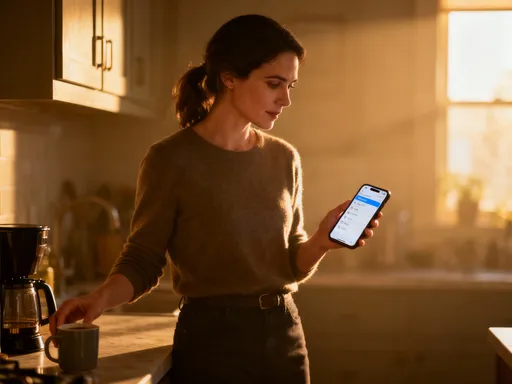
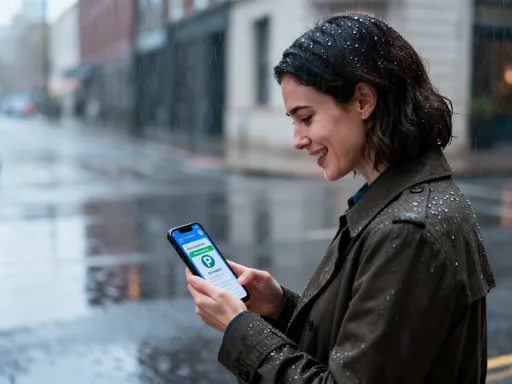
And here’s the best part—it doesn’t require a new car. Most smartphones have the sensors needed to track driving behavior. There are free apps you can download today that will start giving you insights after just one trip. No wires, no complicated setup. Just open the app, start driving, and let it learn. It’s not about tech for tech’s sake. It’s about using what we already have to make our daily lives a little safer, a little calmer, and a lot more aware.
From Data to Daily Improvement: Real-Life Changes That Stick
Let me tell you about Sarah, a mom of two from Ohio. She started using a driving feedback app after her youngest son said, “Mom, why do you always yell when people don’t move fast?” That hit her hard. She didn’t think of herself as an angry driver, but she realized her stress was showing. After a week of tracking, the app showed she was braking hard nearly 12 times a day—mostly during school drop-offs. That number surprised her. She hadn’t even noticed. But once she saw it, she could work on it.
She started small. She set a goal to reduce hard braking by half. The app gave her gentle feedback after each trip—no scolding, just a simple “Great job—your stops were smoother today.” She began leaving earlier, giving herself more buffer time. She turned on calming music and practiced taking deep breaths at red lights. Within three weeks, her hard braking dropped to just three or four times a day. But more than that, she felt different. She was calmer. Her kids noticed. “You’re not yelling anymore,” her daughter said. That small change didn’t just improve her driving—it improved her mornings.
Then there’s James, a delivery driver in Texas. He drives six hours a day, five days a week. He used to feel drained by the end of his shift, but he didn’t know why. After using a driving app for a month, he saw a pattern: his driving was smooth in the morning, but by 4 PM, his acceleration became jerky and his steering less steady. The app also showed he was checking his phone more often in the late afternoon. He realized he was mentally fatigued. So he started taking short breaks, drinking more water, and doing simple breathing exercises between deliveries. His scores improved, but so did his energy. “I’m not just a better driver,” he said. “I feel like I’m taking care of myself.”
These stories aren’t about perfection. They’re about awareness leading to choice. When we see our habits clearly, we can decide what to keep and what to change. And the beauty of these tools is that they don’t demand huge efforts. They highlight one small thing at a time—like smoother starts or fewer phone pickups—and let you build from there. Over time, those tiny shifts add up. You start to feel more in control. You begin to see driving not as a source of stress, but as a chance to practice patience, presence, and care.
Families That Drive Together, Improve Together
One of the most beautiful things about these tools is how they can bring families closer. It’s not about policing each other. It’s about sharing and supporting. I’ve talked to moms who started a “smooth driving challenge” with their teens—where the whole family tracks their scores and celebrates improvements together. No one gets punished for a bad day. Instead, they laugh, compare notes, and cheer each other on. “Dad had three hard brakes today!” becomes a playful tease, not a criticism.
For parents teaching teens to drive, this kind of feedback can be a game-changer. Instead of constant nagging—“Slow down!” “Watch the road!”—there’s data. It’s not Mom or Dad saying you’re driving poorly. It’s the app showing a pattern. That makes the conversation less emotional and more helpful. One mom told me, “When I said, ‘I noticed your phone usage went up this week—was something distracting you?’ it opened a real talk. He admitted he was stressed about school. That never would’ve come up if I’d just yelled at him for looking at his phone.”
And for couples or siblings who share a car, it can create a sense of teamwork. You’re not just sharing gas and cleaning duties—you’re sharing goals. Maybe you both want to reduce phone use while driving. Or maybe you want to see who can have the smoothest week. It turns a routine task into something meaningful. More than that, it builds trust. When your teenager knows you’re not just watching them, but supporting their growth, they’re more likely to listen. When you see your partner making an effort to drive more calmly, you feel safer. These tools don’t replace conversation—they deepen it.
And for families with older parents, it can bring peace of mind. One daughter shared how she gifted her mom a simple driving app—not to monitor her, but to help her feel confident. Her mom loved seeing her progress. “I’m getting better at merging!” she’d say. It wasn’t about control. It was about care. It gave her a sense of pride and independence. That’s the real power of this tech—not surveillance, but connection.
Beyond Safety: How Better Driving Builds Confidence and Calm
We often think of safe driving in terms of accidents avoided or tickets prevented. But the benefits go much deeper. When you drive more smoothly, you’re not just protecting your car or your record—you’re protecting your energy. Think about it: tense muscles, sudden movements, constant alertness—those take a toll. Over time, they wear you down. But when you drive with more awareness, you conserve that energy. Your body relaxes. Your mind clears. And that calm doesn’t stay in the car. It follows you into your home, your work, your relationships.
I’ve heard from so many women who say they feel more centered after focusing on their driving. One woman told me, “When I drive calmly, I walk into my house in a better mood. I’m more patient with my kids. I don’t carry the road rage into dinner.” Another said, “I used to dread my commute. Now I use it as my quiet time—music, breathing, just being present. It’s like a mini meditation.”
And there’s something powerful about feeling capable. When you know you’re a skilled, thoughtful driver, it boosts your confidence in other areas too. You start to believe, “If I can master this, what else can I improve?” That mindset spreads. You become more intentional in how you speak, how you manage your time, how you handle stress. Driving becomes a practice—not just in safety, but in self-awareness. It’s a daily reminder that small choices matter. That you can grow, even in the most routine parts of your life.
This isn’t about becoming a perfect driver. It’s about becoming a more present one. And when you show up with presence, everything changes. You notice the trees along your route. You listen to your kids’ stories instead of rushing through the drive-thru. You give yourself grace when things don’t go perfectly. That’s the real gift of this technology—not just better driving, but a better you.
Getting Started Without Overthinking It
If this all sounds good but a little overwhelming, I get it. The word “technology” can make us think of complicated setups, expensive gadgets, or privacy worries. But this doesn’t have to be hard. In fact, it can be as simple as downloading a free app on your phone. That’s it. No new car. No special equipment. Just your smartphone, which you already use every day.
Here’s how to start: pick one app—there are several well-reviewed ones in your phone’s app store. Download it. Turn it on when you drive. That’s step one. Don’t worry about scores or goals yet. Just let it run for a few days. See what it shows you. You might be surprised. Maybe you’ll notice you brake harder when you’re tired. Or that you check your phone more on certain routes. Just seeing it is the first step.
Then, pick one small thing to work on. Maybe it’s smoother acceleration. Maybe it’s keeping your phone in your bag. Focus on just that for a week. Celebrate when you do well. Laugh when you don’t. And if you want, share it with your family. Make it a game. “Who can have the calmest drive this week?” Keep it light. Keep it simple.
And remember—your data is yours. Most apps let you control what’s shared and with whom. You’re not sending your driving report to the cloud or to your insurance company unless you want to. This is for *you*. At your pace. On your terms. You don’t need to be tech-savvy. You don’t need to be perfect. You just need to be willing to try.
A Smarter Drive, A Better You: The Quiet Power of Small Gains
At the end of the day, this isn’t really about cars or apps or data. It’s about us. It’s about how we show up in the moments that make up our lives. Driving is one of those moments—sometimes stressful, sometimes quiet, always full of small choices. And when we use technology not to judge, but to understand, we open the door to real growth.
The women I’ve talked to who’ve embraced this change don’t talk about perfect scores. They talk about feeling calmer. About their kids feeling safer. About arriving home with more energy. They talk about confidence—not just on the road, but in themselves. That’s the ripple effect of small, consistent improvements. It starts in the driver’s seat and spreads outward.
Your car can be more than a way to get from place to place. It can be a space for reflection, for growth, for presence. It can be a partner in becoming the kind of person you want to be—not just a better driver, but a more mindful, more patient, more grounded one. And that’s something worth driving toward.