I Keep Forgetting to Arm the Alarm—Until This Simple Habit Changed Everything
"I keep forgetting to arm the alarm" was my nightly struggle—until a small change made all the difference. How many times have you walked through the front door, dropped your keys on the table, and immediately forgotten to set the security system? You’re not alone. That quiet worry—did I lock up? Is the house really safe?—used to follow me into bedtime like an unwelcome guest. I’d lie there, wondering if I’d remembered to press that little button. But what if arming your home alarm became as natural as brushing your teeth or turning off the kitchen light? This isn’t about upgrading to a more expensive system or downloading another app. It’s about creating a seamless, automatic habit—one that puts control back in your hands and peace of mind back into your life. And the best part? It starts with something so simple, you’ll wonder why you didn’t think of it sooner.
The Hidden Weakness in Home Security: It’s Not the Tech, It’s the Habit
When we think about home security, we often focus on the gadgets—the cameras, the motion sensors, the sleek touchpad by the door. We assume that if we invest in the right equipment, we’re protected. But here’s the truth no one talks about: the most advanced alarm system in the world is only as strong as the person who uses it. And most of the time, that’s where things fall apart. The weak link isn’t faulty technology. It’s our own behavior.
Think about your typical evening. You come home after a long day, arms full of groceries, one hand guiding the stroller, the other holding a work bag and a child’s backpack. You walk in, kick off your shoes, set down your things, and start unloading dinner ingredients. In that whirlwind of activity, who remembers to punch in a code or tap a screen? Or maybe you’re coming back late from a friend’s house, tired and distracted, already thinking about tomorrow’s to-do list. The last thing on your mind is security. And yet, that’s exactly when it matters most.
The reality is, even the best alarm system can’t protect your home if it’s not armed. And studies show that a significant number of break-ins happen in homes with security systems—because they were never turned on. That’s not a failure of technology. That’s a failure of habit. We buy these tools with good intentions, but without a consistent routine, they sit there like expensive decorations. The solution isn’t a fancier gadget. It’s a smarter, more human-centered approach: building a habit so simple and automatic that it becomes part of your everyday flow.
Why We Forget: The Psychology Behind Missed Alarms
Let’s be clear: forgetting to arm the alarm isn’t a sign of carelessness or irresponsibility. It’s not because we don’t care about our families or our homes. It’s because our brains are wired to conserve energy. We rely on habits to get through the day without getting overwhelmed. And habits form when three elements come together: a cue, a routine, and a reward.
The problem with arming the alarm is that it often lacks a clear cue. When you walk in the door, what’s the first thing you do? Maybe you say hello to the dog, check the mail, or call out to your kids. These actions become the automatic triggers for your evening routine. But unless arming the alarm is tied to one of those existing behaviors, it gets lost in the shuffle. There’s no natural prompt telling your brain, “Hey, this is the moment.”
And then there’s the reward—or lack of it. Habits stick when they feel good or bring an immediate benefit. Brushing your teeth leaves your mouth feeling clean. Locking the front door gives you a physical sense of closure. But arming the alarm? You press a button, maybe hear a beep, and that’s it. No visible change. No instant payoff. The benefit—feeling safe—is delayed and invisible. So over time, your brain learns to deprioritize it.
Add to that the mental load many of us carry. Juggling work, family, appointments, and household tasks means our attention is stretched thin. A small disruption—a late dinner, a child’s meltdown, a last-minute phone call—can derail even the best intentions. That’s why willpower alone isn’t enough. What we need isn’t more discipline. We need a system that works with our brains, not against them. And that starts with understanding the invisible forces shaping our daily choices.
The Power of Tiny Triggers: Linking Security to Daily Routines
The secret to building any lasting habit isn’t motivation—it’s design. And the most effective habits are the ones that piggyback on actions you’re already doing without thinking. Think about it: you don’t have to remind yourself to hang up your coat or put your keys in the bowl. Those actions happen automatically because they’re part of your routine. So why not attach your alarm habit to one of those moments?
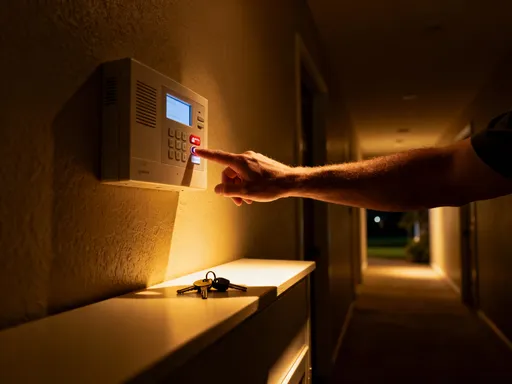
One of the simplest and most powerful strategies is to link arming the alarm to placing your keys down. The moment your keys touch the counter or the hook by the door—that’s your cue. Make it a rule: no sitting down, no taking off your shoes, no checking your phone until the alarm is set. At first, you might have to pause and remind yourself. But within a few days, it starts to feel automatic. The act of setting your keys becomes the trigger, and arming the alarm becomes the natural next step.
Another effective cue is turning off the porch light. If you come home after dark, you probably flip that switch without even thinking. Use that moment to trigger your security routine. As soon as the light goes off, walk to the panel and arm the system. Over time, your brain begins to connect these two actions like links in a chain.
You can also use sound as a cue. Some systems allow you to set a soft chime when the alarm is armed. That gentle tone becomes a positive reinforcement—your brain starts to associate it with a job well done. Or, if you have a smart speaker, you can create a routine where saying “Goodnight” triggers a reminder: “Don’t forget to arm the alarm.” The key is to make the cue obvious, the action easy, and the result satisfying. No extra effort. No new apps. Just a small, intentional shift that fits seamlessly into your life.
Making It Effortless: Optimizing Your System for Real Life
Even the best habit can fail if the system itself gets in the way. Let’s be honest—some security systems are just too complicated. You have to enter a long code, wait through a countdown, and remember which mode you’re supposed to use. If arming the alarm feels like a chore, you’re less likely to do it consistently. The goal isn’t to endure inconvenience for the sake of safety. The goal is to make safety feel effortless.
Start by simplifying the process. Most modern systems have a “quick arm” or “stay mode” option that lets you bypass the entry delay or use a shortcut button. If you don’t know how to set this up, pull out the manual or visit the manufacturer’s website. It might take 10 minutes now, but it’ll save you frustration every single day. You can also assign a shortcut on your phone or tablet—some apps let you arm the system with one tap. Just make sure it’s secure and not something a curious child can accidentally trigger.
Next, look at the feedback your system gives you. Does it confirm when it’s armed? A simple beep or a message on the panel can go a long way in reinforcing the habit. If your system supports voice alerts or mobile notifications, turn them on. Hearing “Alarm armed” or seeing a confirmation on your phone gives you that instant sense of closure—your brain registers the completion, and that feels good.
Also, consider the location of your control panel. Is it by the door you use most often? If you enter through the garage but the panel is in the front hallway, that extra walk might be enough to make you forget. If possible, install a secondary keypad in a more convenient spot. Or, if you have a smart home setup, use a wall-mounted tablet or touchscreen near your main entry point. The easier it is to reach, the more likely you are to use it.
And don’t underestimate the power of personalization. If you have kids, let them pick the chime sound. If you love a certain color, set the panel light to glow in that shade when the alarm is active. These small touches make the system feel more like part of your home—and more inviting to use.
Family Buy-In: Getting Everyone on the Same Page
Home security isn’t a one-person job. If you’re the only one remembering to arm the alarm, you’re setting yourself up for burnout. The real strength of a secure home comes from shared responsibility. But how do you get everyone on board without turning it into a nagging battle?
Start with a family conversation. Instead of saying, “You forgot to set the alarm—again,” try framing it as a team effort. Say something like, “I’ve been thinking about how we can all feel safer at home. What if we made checking the alarm part of our evening routine?” Invite ideas. Maybe your teenager suggests a voice command. Maybe your child wants to be the “security helper” who reminds everyone. When people feel involved, they’re more likely to care.
Create a simple ritual. For example, make it a habit to do a quick safety check together before bedtime—lights off, doors locked, alarm set. Call it something warm and positive, like “closing the house” or “tucking the home in for the night.” That language makes it feel nurturing, not stressful. You can even turn it into a moment of connection—stand together at the panel, press the button as a family, and say, “Goodnight, safe house.”
Assign small, age-appropriate tasks. Younger kids can be in charge of making sure windows are closed. Older children can double-check the back door. Your partner might take responsibility for the garage. When everyone has a role, it becomes a shared rhythm rather than a burden. And if someone forgets? Respond with kindness, not frustration. Say, “No worries—we all forget sometimes. Let’s just set it now.” That kind of response builds cooperation, not guilt.
Tracking Progress Without Pressure: Gentle Accountability That Works
When you’re trying to build a new habit, it’s easy to fall into the trap of perfectionism. You might start strong, then miss a night, and suddenly feel like a failure. But habits aren’t about being perfect. They’re about being consistent over time. The key is to track your progress in a way that supports you, not stresses you out.
Try a simple, low-tech method: a checklist on the fridge or a calendar with stickers. Every night you remember to arm the alarm, put a checkmark or add a star. It’s not about judgment—it’s about awareness. Over time, you’ll start to notice patterns. Maybe you forget more often on busy weeknights. Maybe weekends are easier. That insight helps you adjust your approach.
You can also use a habit-tracking app if you prefer digital tools. Many are designed to be encouraging, sending gentle reminders and celebrating streaks. But avoid ones that make you feel guilty for missing a day. The goal isn’t to shame yourself into compliance. It’s to build a positive feedback loop—where each success, no matter how small, reinforces the next.
And don’t forget to celebrate. After a full week of remembering, treat yourself to something small—a favorite tea, a quiet bath, a few extra minutes of reading. These rewards strengthen the habit by linking it to positive feelings. Over time, the act of arming the alarm stops feeling like a chore and starts feeling like a moment of care—for your home, your family, and yourself.
Peace of Mind Is a Practice: How Consistency Builds Confidence
Here’s what changes when you make arming the alarm a consistent habit: you stop lying in bed wondering if you remembered. You stop waking up in the middle of the night with that little knot of anxiety in your chest. Instead, you feel a quiet confidence—a sense that you’ve done your part to keep your home safe. That peace of mind isn’t magic. It’s the result of small, repeated actions that add up over time.
And it goes deeper than security. When you build this kind of routine, you’re also building self-trust. You’re proving to yourself that you can follow through, that you can create systems that work, that you can take care of what matters most. That confidence spills over into other areas of life—how you manage your time, how you handle challenges, how you show up for your family.
True safety isn’t just about the devices on your walls. It’s about the habits you live by. It’s about knowing that every night, without fail, you’ve taken that one small step to protect your sanctuary. And when everyone in your home is part of that rhythm, it becomes more than a routine—it becomes a quiet promise. A promise that you’re looking out for each other. That you’re creating a space where everyone can rest, recharge, and feel truly safe.
So if you’ve been struggling with the same nightly doubt, know this: you don’t need a new system. You don’t need more gadgets. You just need one tiny change—one small, intentional habit that turns worry into calm. Start tonight. The moment you set your keys down, pause. Press the button. Hear the beep. And let that simple act become your nightly ritual of care. Because peace of mind isn’t something you buy. It’s something you build, one quiet moment at a time.