Why Are You Still Struggling with Sleep When Your Environment Can Adapt for You?
Ever lie awake, frustrated because the room feels just wrong—too bright, too noisy, or somehow off—even with your sleep tracker buzzing with data? You're not alone. Many of us rely on sleep apps that tell us what went wrong, but do nothing to fix it. What if your bedroom could quietly adjust itself for better rest? This isn’t about chasing perfect sleep scores—it’s about letting smart technology quietly tune your surroundings, so you wake up feeling truly refreshed, not just monitored.
The Sleep Struggle No One Talks About
You’ve done everything “right.” You turned off screens an hour before bed. You drank chamomile tea. You even wore that sleek sleep ring that promises to track your deep sleep cycles. But when the morning alarm goes off, you still feel like you barely slept. You check your app and sigh—“Sleep efficiency: 68%. Poor.” The numbers confirm what your body already knows, but they don’t tell you why. Was it the streetlight creeping through the blinds? The dog barking at 2:17 a.m.? Or maybe the air just felt heavy, like it was pressing down on your chest? We’ve all been there. And here’s the truth no one wants to admit: tracking your sleep without changing your environment is like weighing yourself every day without adjusting your meals. You get data, but no real progress. The real issue isn’t that we don’t know how we’re sleeping—it’s that nothing around us is helping us sleep better. Our tools watch, but they don’t act. And that’s where most of us get stuck, night after night.
Think about it. How many times have you woken up feeling groggy, only to scroll through graphs and stages of sleep that mean almost nothing in the moment? Your body is tired, your mind is foggy, and the app just says “light sleep increased.” Great. Thanks for the update. But what if instead of just reporting the problem, your bedroom could respond to it? What if, when you start tossing and turning, the room itself could gently lower the temperature, dim the lights further, or release a soft wave of calming sound? That’s not science fiction. It’s what’s possible now when technology moves beyond tracking and starts supporting. The shift we need isn’t in how much data we collect—it’s in how our environment reacts to it. Because rest isn’t just about habits; it’s about harmony between you and your space. And for too long, that harmony has been missing.
From Passive Tracking to Active Support
Most of the sleep tech we use today is passive. It watches. It listens. It measures. But it doesn’t help. Your smartwatch can tell you when your heart rate spikes during the night, but it can’t tell the thermostat to cool the room. Your sleep app knows you woke up three times, but it can’t signal the blinds to stay closed when the sun rises too early. There’s a growing gap between awareness and action—and that’s where the real opportunity lies. The next generation of sleep technology isn’t about giving you more numbers. It’s about creating a bedroom that responds to your needs in real time. Imagine a system that doesn’t just record your restlessness but actually tries to calm you. That’s the difference between passive tracking and active support.
Take temperature, for example. We all know that a cooler room helps us fall asleep faster and stay in deep sleep longer. But most of us set the thermostat once and forget it. The truth is, your ideal sleep temperature changes throughout the night. As you enter deep sleep, your body temperature naturally drops. If the room stays warm, you’re more likely to wake up. A smart thermostat connected to your sleep tracker can sense when you’re entering deep sleep and lower the temperature just a few degrees—automatically. No effort on your part. No midnight adjustments. Just a room that knows what you need before you do. The same goes for light. Early morning sunlight can disrupt your sleep cycle, especially in summer. Smart blackout blinds can detect sunrise and keep your room dark until your ideal wake-up time. They don’t just block light—they protect your rest.
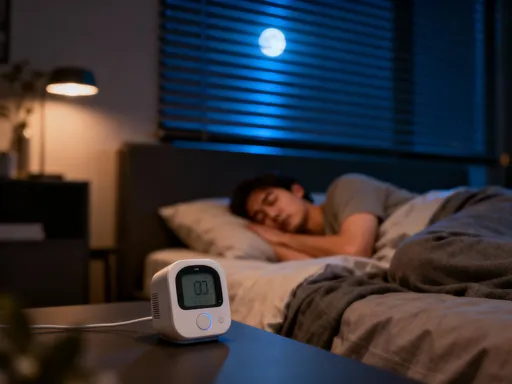
Then there’s sound. A sudden noise—like a car alarm or a creaking floorboard—can jolt you awake. A responsive white noise machine can detect those spikes in sound and instantly adjust its output to mask the disturbance. It’s like having a quiet guardian for your sleep, always listening, always ready to help. These aren’t standalone gadgets. They’re parts of a system that works together to create the right conditions for rest. And the best part? You don’t have to manage them. Once set up, they run in the background, making small, smart changes so you don’t have to. This is what active support looks like—technology that doesn’t just observe, but participates in your well-being.
How Your Bedroom Learns to Care for You
What makes adaptive sleep technology truly powerful isn’t just that it reacts—it’s that it learns. Think of it like a thoughtful roommate who pays attention over time. At first, they might not know your habits. But after a few weeks, they start to notice patterns. You like the room cool. You wake up if the dog barks. You sleep better with soft rain sounds in the background. Over time, they adjust without being asked. That’s exactly how these systems work. Using simple machine learning, your devices start to understand your unique sleep rhythm. The more you use them, the better they get at predicting what you need.
Let’s say your sleep tracker notices you often wake up between 3:00 and 3:30 a.m. It checks the data—temperature, humidity, noise levels, even air quality—and finds a pattern: every time the humidity drops below 40%, you stir. So the system starts adjusting the humidifier automatically during those hours. Or maybe your air purifier detects higher pollen levels on certain nights, and you tend to toss and turn. It begins running longer cycles on high-pollen evenings, quietly reducing allergens before you even feel them. These aren’t random fixes. They’re intelligent responses based on your real-life patterns. And the best part? You don’t have to program any of it. The system learns from your body’s signals and acts on its own.
Some people worry that this kind of tech feels intrusive or complicated. But it’s actually the opposite. The goal isn’t to control your life—it’s to support it. These systems don’t demand your attention. They don’t need daily tweaks. You don’t have to log in or check settings. They work quietly, like a well-tuned car engine you don’t think about until you notice how smoothly everything runs. And because they adapt to you, not the other way around, they feel personal. You’re not following a rigid routine. Your environment is following you. That’s what makes this more than just gadgets—it’s care, built into the space where you rest.
Making the Switch: Small Changes, Big Rest
If all of this sounds overwhelming, take a breath. You don’t need to turn your bedroom into a high-tech lab overnight. The most effective changes often start small. The key is to begin with one thing—one area of your sleep environment that you know isn’t working. Is it noise? Light? Temperature? Air quality? Pick one. Then, choose one device that can help. For example, if street noise keeps waking you, try a responsive white noise machine. Unlike basic models, these can detect sudden sounds and adjust their output in real time. You’ll still hear the world outside, but it won’t pull you out of sleep.
If light is the issue, consider smart blackout blinds or even smart bulbs that gradually dim in the evening, signaling to your body that it’s time to wind down. These aren’t just about convenience—they help regulate your circadian rhythm, the internal clock that controls your sleep-wake cycle. And if your room feels stuffy or dry, a smart humidifier or air purifier can make a surprising difference. These devices can run on schedules or respond to real-time air quality readings, so you’re not breathing in dust or allergens while you sleep. The point isn’t to buy everything at once. It’s to make one thoughtful upgrade that addresses a real problem.
And here’s a tip: start by pairing your existing sleep tracker with one adaptive device. Many modern trackers can share data with other smart home systems. So if your ring detects you’re having a restless night, it can trigger your speaker to play calming sounds or tell your thermostat to cool the room. You don’t need to build a full system right away. Just connect two pieces, and see how it feels. Most people are surprised by how much difference one small change can make. You might not notice it every night, but over time, you’ll start to feel more rested. You’ll wake up less groggy. You’ll have more energy during the day. And that’s the goal—not perfection, but progress.
Real Life, Real Results
Let’s talk about what this actually looks like in real homes. Take Maria, a mom of two in Chicago. She loved her baby monitor, but hated how bright the hallway light was when she got up for late-night feedings. The sudden light made it harder to fall back asleep. Then she connected her monitor to smart bulbs in the hallway. Now, when she turns on the monitor, the lights come on at just 10% brightness—enough to see, but not enough to disrupt her sleep cycle. She still gets up multiple times a night, but she’s not as exhausted in the morning. “It’s like the house helps me take care of my baby—and myself,” she says.
Or consider James, a freelance designer in Portland who works from home. He used to wake up groggy, even after eight hours of sleep. His wake-up time varied, but the sun always rose early in summer. He installed smart curtains that open gradually with the sunrise, syncing with his ideal wake-up window. Now, instead of being jolted awake by sudden light, he wakes up naturally, feeling more alert. “I didn’t realize how much the light was affecting me until it stopped,” he shared. “Now I feel like I’m waking with the day, not against it.”
Then there’s Linda, a nurse in Atlanta who works night shifts. Her biggest challenge? Sleeping during the day when the world is loud and bright. She started with a smart air purifier that runs quietly at night but ramps up during the day when pollen levels rise. She paired it with blackout blinds and a responsive white noise machine. Now, her bedroom stays cool, clean, and quiet—no matter what’s happening outside. “I used to take naps feeling like I was fighting my environment,” she said. “Now, I feel like my room is on my side.” These aren’t extreme makeovers. They’re simple, practical changes that address real struggles. And the results? More energy. More patience. More presence. That’s the real benefit of adaptive sleep tech—not better data, but a better life.
Tech That Fits Your Life, Not the Other Way Around
I know what some of you might be thinking: “Isn’t this just more gadgets to manage? More apps to check? More things to go wrong?” It’s a fair concern. We’ve all had that one smart device that stopped working, or an app that crashed at the worst time. But adaptive sleep technology isn’t about adding complexity—it’s about reducing it. The whole point is to make your life easier, not harder. These systems are designed to run quietly in the background, doing the work so you don’t have to. You don’t need to micromanage them. You don’t have to check settings every night. Once they’re set up, they just work.
Most systems offer simple controls—voice commands, app presets, or automated routines. You can say, “Hey Google, start bedtime,” and the lights dim, the thermostat adjusts, the blinds close, and soft music begins to play. Or you can set a schedule: “Every night at 9:30, prepare the bedroom for sleep.” It’s not about being high-tech for the sake of it. It’s about creating a routine that supports you without demanding your attention. And if something doesn’t work perfectly at first, that’s okay. These systems are meant to adapt, not control. You can tweak them, turn them off, or change your preferences anytime. The technology serves you—not the other way around.
Another common worry is cost. But remember, you don’t have to buy everything at once. Start with one device. See how it feels. Many people find that one well-chosen upgrade pays for itself in better sleep, more energy, and improved mood. And as these technologies become more common, they’re also becoming more affordable. This isn’t about luxury. It’s about dignity in rest. Every parent, every caregiver, every busy woman deserves to wake up feeling refreshed. And if a few smart devices can help make that happen, isn’t it worth trying?
Sleeping Smarter, Living Better
Better sleep isn’t just about feeling less tired. It’s about showing up as the person you want to be. When you’re well-rested, you think more clearly. You’re more patient with your kids. You handle stress with more calm. You notice the small joys—a child’s laugh, a quiet morning with coffee, a moment of stillness in a busy day. These things matter. And they’re easier to appreciate when you’re not running on empty. Adaptive sleep technology isn’t about chasing perfect sleep scores or impressing anyone with your smart home setup. It’s about creating a space that supports your well-being, quietly and consistently.
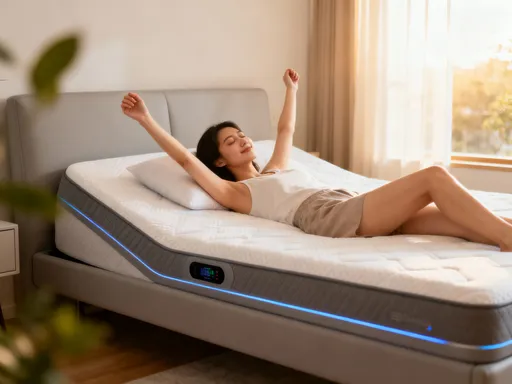
Think of it this way: your bedroom isn’t just a place where you sleep. It’s a place where you recover, recharge, and prepare for the day ahead. When your environment works with you instead of against you, you don’t just sleep better—you live better. You have more energy to care for your family. More focus to manage your responsibilities. More peace to enjoy your life. And that’s the real promise of this technology. It doesn’t replace good habits. It enhances them. It doesn’t demand your attention. It gives you back time, energy, and calm.
So if you’ve been struggling with sleep, ask yourself: are you just tracking the problem, or are you changing the environment that’s causing it? You don’t have to accept restless nights as normal. You don’t have to feel like you’re fighting your bedroom every evening. Help is here. Not in the form of another app that judges your sleep, but in the form of a room that cares for you. A room that learns, adapts, and supports you—night after night. That’s not just smart technology. That’s smarter living. And it’s within your reach.