From Distant to Deeply Connected: How a Sleep App Quietly Saved Our Friendship
We’ve all been there—life gets busy, texts go unanswered, and even close friendships start to fade without drama or blame. I almost lost touch with my best friend too, until a simple sleep aid app did something unexpected: it rebuilt our connection. Not through chats or calls, but by helping us both rest better, show up more present, and finally *listen* again. This isn’t just about sleep—it’s about how quiet, reliable technology can gently heal what busy lives often break. It wasn’t a grand reunion or a heart-to-heart that brought us back together. It was something much softer, much quieter: the shared rhythm of breathing, the comfort of knowing someone else was also winding down, and the slow return of emotional clarity that only real rest can bring.
The Slow Drift No One Talks About
Friendships don’t always end with loud arguments or dramatic misunderstandings. More often, they fade in silence—worn down by the weight of daily life, unanswered messages, and emotional exhaustion. I didn’t realize it was happening to us until it almost felt too late. My best friend and I had been close since our kids were in preschool. We’d celebrated birthdays, survived school drop-offs, and held each other through family crises. But somewhere between work deadlines, teenage meltdowns, and endless to-do lists, our conversations started to feel thin. Short. Obligatory.
I’d call her after dinner, hoping for a real chat, only to find her distracted, tired, or already half asleep. My voice would tighten without me noticing. I’d ask, “How was your day?” and feel a pang when she replied with a flat, “Fine.” I assumed she didn’t want to talk. That she was pulling away. But the truth was, we were both running on empty. I wasn’t sleeping—maybe four hours a night, if I was lucky. My mind raced with unfinished tasks, worries about aging parents, and the nagging sense that I was failing at everything. I was irritable, impatient, and emotionally numb. And I didn’t realize that my fatigue was making me a worse friend.
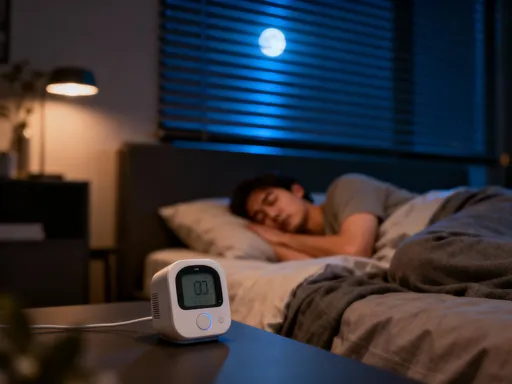
It wasn’t until I started using a sleep aid app that I began to see the connection. One night, after weeks of restless nights, I downloaded an app focused on relaxation and sleep hygiene. No flashing promises of instant results, no loud claims—just gentle guidance. The first time I used it, I followed a 10-minute breathing exercise with soft background sounds of rain and distant wind. I didn’t fall asleep immediately, but for the first time in months, I felt my body truly relax. The next morning, I woke up less groggy. My thoughts were clearer. And when I spoke to my daughter, I actually listened—really listened—instead of just nodding while mentally planning dinner.
That’s when it hit me: my poor sleep wasn’t just affecting my energy. It was affecting my ability to connect. When you’re exhausted, empathy becomes a luxury. Patience evaporates. You stop noticing subtle shifts in tone, facial expressions, or unspoken needs. I had mistaken my own emotional flatness for disinterest in our friendship. But the truth was, I wasn’t disinterested—I was depleted. The app didn’t fix everything overnight, but it gave me a small window into what was possible when I wasn’t running on fumes.
A Shared Struggle in the Silence
One night, about two weeks after I started using the app, I called my friend out of the blue. It was late—almost 10 p.m.—and I expected her to be asleep. But she picked up, sounding both surprised and relieved. We started talking about nothing important—school fundraisers, a new grocery store, the weather—when she paused and said, “I haven’t slept well in months.”
Her voice cracked slightly, and I felt a lump rise in my throat. She described the same mental fog I’d been living with—the kind where you can’t focus, can’t remember simple things, and feel emotionally detached, like you’re watching your life from behind glass. She wasn’t sad, she said. Just… numb. And she worried it was pushing people away, especially me.
In that moment, something shifted. Instead of offering advice or suggesting she “just try to relax,” I shared what I’d been doing. I told her about the sleep app—how it didn’t demand anything from me, how it met me where I was, tired and overwhelmed. I didn’t push it. I just said, “It’s helped me feel more like myself. If you ever want to try it, I’d love to hear what you think.”
She downloaded it that same night. We didn’t make a big deal out of it. No promises to “do it together” or check in every morning. But within a few days, something subtle changed in our calls. They lasted longer. We laughed more. She started sharing little things again—how her son had made her coffee that morning, how she’d seen a beautiful sunset on her drive home. I noticed my own tone softening. I wasn’t waiting for the call to end so I could collapse into bed. I was present. And for the first time in a long while, we were really talking again.
It wasn’t the app that brought us back together. It was what the app made possible: rest. Clarity. Emotional space. We weren’t fixing our friendship with words—we were rebuilding it through the quiet return of presence.
Technology That Respects Your Peace—And Your Privacy
I’ll admit, I was nervous at first. I’ve read the headlines—apps collecting personal data, selling sleep patterns to advertisers, tracking every breath and heartbeat. The idea of sharing my inner world with a faceless algorithm made me uneasy. What if my late-night thoughts, my breathing patterns, my stress levels were stored somewhere, analyzed, or even monetized?
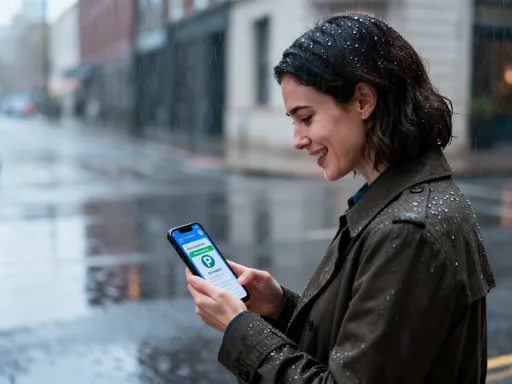
That’s why I was so careful about which app I chose. I didn’t want something flashy or gamified. I wanted something simple, secure, and respectful. The one I found used end-to-end encryption, meaning only I could access my data. It didn’t store anything in the cloud. It didn’t ask for my contacts, location, or microphone access. It didn’t even have ads. Everything happened on my device. My sleep journal, my breathing logs, my mood notes—they stayed private, just for me.
That sense of safety mattered more than I expected. Because when you’re emotionally worn down, privacy isn’t just a technical detail—it’s emotional protection. I needed to know that when I pressed play on a guided meditation about releasing worry, no one was listening. That when I recorded how I was feeling before bed, it wouldn’t be used against me in some targeted ad later.
When my friend downloaded the same app, I told her about these features. Not because I was trying to convince her, but because I wanted her to feel safe too. And that’s when it dawned on me: this wasn’t just a sleep tool. It was a space where we could both be vulnerable without fear. Technology, when designed with care, can create trust. And trust—whether in an app or a friendship—is built on consistency, safety, and respect.
Small Rituals, Big Shifts
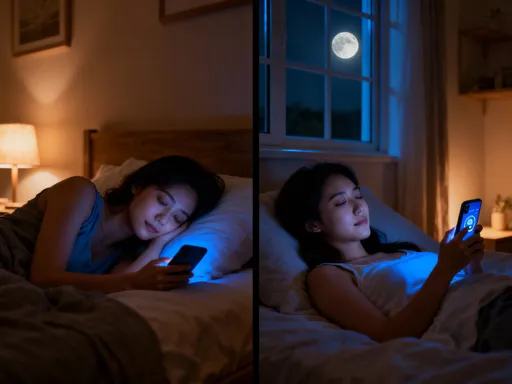
We never made a formal plan. No “let’s do this together” pact. But slowly, a tiny ritual formed between us. Every night, right after I started my wind-down routine, I’d send her a single emoji: 🌙. No message. No pressure to reply. Just a quiet signal: *I’m taking care of myself tonight.*
Sometimes she’d respond with the same moon. Sometimes she wouldn’t. But over time, those small gestures became meaningful. They weren’t grand declarations of friendship. They were quiet acknowledgments that we were both trying. That we mattered enough to pause, breathe, and reset.
One night, she texted me, “Just saw your moon. Feels nice to know you’re doing this too.” That simple message brought tears to my eyes. It wasn’t about the app. It was about feeling seen. About knowing that someone else was also choosing to slow down, to be kind to themselves, even when the world demanded more.
Those nightly moons became a bridge. They didn’t fix our friendship overnight. But they rebuilt emotional safety. They reminded us that we didn’t have to perform or prove anything. We just had to show up—rested, honest, and open. And that was enough. The app didn’t replace our bond. It gave us the energy, the patience, and the emotional clarity to rebuild it ourselves.
When Rest Becomes a Gift to Others
I used to think self-care was selfish. That taking time for myself meant neglecting my family, my work, my responsibilities. But what I’ve learned is that rest isn’t a luxury—it’s a necessity. And when you care for your mind and body, you don’t just feel better. You show up better—for your kids, your partner, your friends.
After a few weeks of consistent sleep, I noticed a shift in how I showed up in my conversations. I listened more instead of planning my response. I paused before reacting. I carried less tension into my interactions. My friend noticed too. “You sound like yourself again,” she said during one of our calls. “Not rushed. Not distracted. Just… here.”
That comment stayed with me. Because I realized that my exhaustion hadn’t just hurt me—it had hurt our connection. When I was tired, I was short-tempered, dismissive, emotionally distant. I didn’t mean to be. But fatigue made me reactive, not responsive. I was protecting my energy by withdrawing, but in doing so, I was starving our friendship of the warmth it needed.
Better sleep didn’t make me perfect. But it made me kinder. More present. More willing to sit in silence with someone instead of rushing to fill it. And that, I’ve learned, is one of the greatest gifts you can give another person—the gift of your full attention, offered freely and without exhaustion.
Building Trust Through Quiet Consistency
The sleep app didn’t promise miracles. It didn’t claim to cure anxiety or erase stress. It just showed up—night after night—offering the same calm voice, the same gentle guidance, the same safe space. No gimmicks. No pressure. Just consistency.
And in that reliability, I saw something deeper: a reflection of the kind of friendship I wanted to have. One that didn’t depend on big gestures or constant communication. One that was steady, trustworthy, and present—especially in the quiet moments.
Think about it: we trust apps with our most vulnerable states. We let them guide us into sleep, when we’re at our most defenseless. So the app’s design matters. Its integrity matters. If it had been full of ads, if it had tracked my data, if it had felt invasive, I wouldn’t have trusted it. And without that trust, I wouldn’t have used it. The same is true in friendship.
We don’t need constant validation or dramatic declarations. We need to know that someone will be there—not perfectly, but consistently. That they’ll show up, even when life is hard. That they won’t betray our confidence. That they’ll honor the quiet moments as much as the loud ones. The app taught me that trust isn’t built in grand moments. It’s built in small, repeated acts of showing up—just like pressing play on a breathing exercise, night after night.
A Friendship Reborn in Stillness
Today, our friendship is stronger than it’s been in years. Not because we’ve solved every problem or have endless time to talk. But because we’ve learned to rest, recharge, and reconnect—without pressure, without performance, without the need to explain or justify.
We still don’t talk every day. But when we do, the quality is different. We listen. We laugh. We share the small, beautiful moments—the kind that used to slip by when we were too tired to notice. Last week, she called me just to say, “I saw the moon tonight. It was huge and golden. I thought of you.”
And I smiled, because I knew exactly what she meant. The moon wasn’t just in the sky. It was in our ritual. In our quiet care for ourselves and each other. In the space we’ve created to simply be.
That sleep app didn’t just help us sleep. It taught us how to care—quietly, consistently, without fanfare. It reminded us that healing doesn’t always come from loud conversations or dramatic changes. Sometimes, it comes from the soft hum of a soundscape, the rhythm of a shared breath, the courage to say, “I’m not okay,” and be met with a simple moon emoji in return.
If you’re feeling disconnected, overwhelmed, or just too tired to keep up, I want you to know this: it’s not your fault. Life is heavy. And you don’t have to fix everything at once. Sometimes, the most powerful thing you can do is rest. Let yourself slow down. Let technology support you, not distract you. And let the people who matter know—quietly, gently—that you’re still here, still trying.
Because sometimes, the deepest connections aren’t rebuilt with words. They’re rebuilt in the stillness, in the breath, in the quiet decision to take care of yourself—and in doing so, take care of the love that still matters.